How to Revive a Global Net-Zero Shipping Deal: A Step-by-Step Guide
How to Revive a Global Net-Zero Shipping Deal: A Step-by-Step Guide
In the high-stakes world of international climate diplomacy, few negotiations have been as turbulent as the battle over a global net-zero framework for shipping emissions. After a promising start in early 2025, the deal was nearly derailed by a US-led pushback, only to be painstakingly revived at the International Maritime Organization’s (IMO) Marine Environment Protection Committee (MEPC84) meeting in London. This guide walks you through the exact steps that nations took to get the framework “back on track,” offering a blueprint for overcoming political deadlock in multilateral environmental agreements.
What You Need
- Multilateral forum – A recognized international body like the IMO with authority over the sector (shipping, aviation, etc.).
- Political will – A core group of committed nations (e.g., EU, Brazil, Pacific Islands) willing to champion the framework.
- Compromise readiness – Flexibility to adjust the framework’s mechanisms (e.g., carbon pricing) without losing its core ambition.
- Strategic patience – Willingness to use multiple meetings and intersessionals to rebuild consensus after a setback.
- Communication channels – Clear, transparent briefing of all delegations to counter misinformation and “bully-boy” tactics.
- Alternative proposals – Pre-prepared counter-proposals that show the cost of abandoning the framework entirely.
Step 1: Secure an Initial Agreement—Lock in the Core Principles Early
The first step happened at MEPC83 in April 2025. Despite the United States withdrawing halfway through the meeting, the remaining 174 member states agreed on a “net-zero framework” — a set of binding measures to cut shipping emissions (which account for over 2% of global CO₂ and are not covered by the Paris Agreement). This early agreement was crucial because it created a baseline text that could later be defended as a “careful balance of interests.” The lesson: always get your core principles—like a net-zero target by 2050 and a carbon-pricing mechanism—formally agreed before opponents have a chance to water them down.
Step 2: Weather the Storm—Acknowledge the Setback Without Surrendering
In October 2025, the IMO convened an extraordinary session (a rare move triggered by a “critical maritime environmental crisis”) specifically to adopt the framework. Instead of a smooth approval, the US delegation used aggressive tactics—described by other delegates as “bully-boy” —to stall the adoption. The meeting ended without a decision. The mistake many would make is to declare the deal dead. Instead, supporters used this failure to document the exact reasons for delay: the US wanted to strip out the carbon-pricing mechanism or abandon the framework entirely. This record became ammunition for the next round. The step: publicly name the obstruction while keeping the door open for negotiation.
Step 3: Understand the Opposition and Explore “Alternative Frameworks”
Between October 2025 and April 2026, opponents—led by the US, other fossil-fuel producers, Liberia, Panama, and Argentina—proposed alternative frameworks that effectively removed carbon pricing. Liberia and Panama, being “flag states” for about one-third of the world’s commercial shipping, carried immense weight. Their counter-proposal was a serious threat. The smart move? Supporters (Brazil, EU, Pacific Islands) did not reject the alternatives outright. Instead, they analyzed them publicly, showing how they would fail to achieve net-zero or would create loopholes. This step is about using transparency to delegitimize weak alternatives without alienating their sponsors.
Step 4: Regroup at MEPC84—Build a Tactical Defense
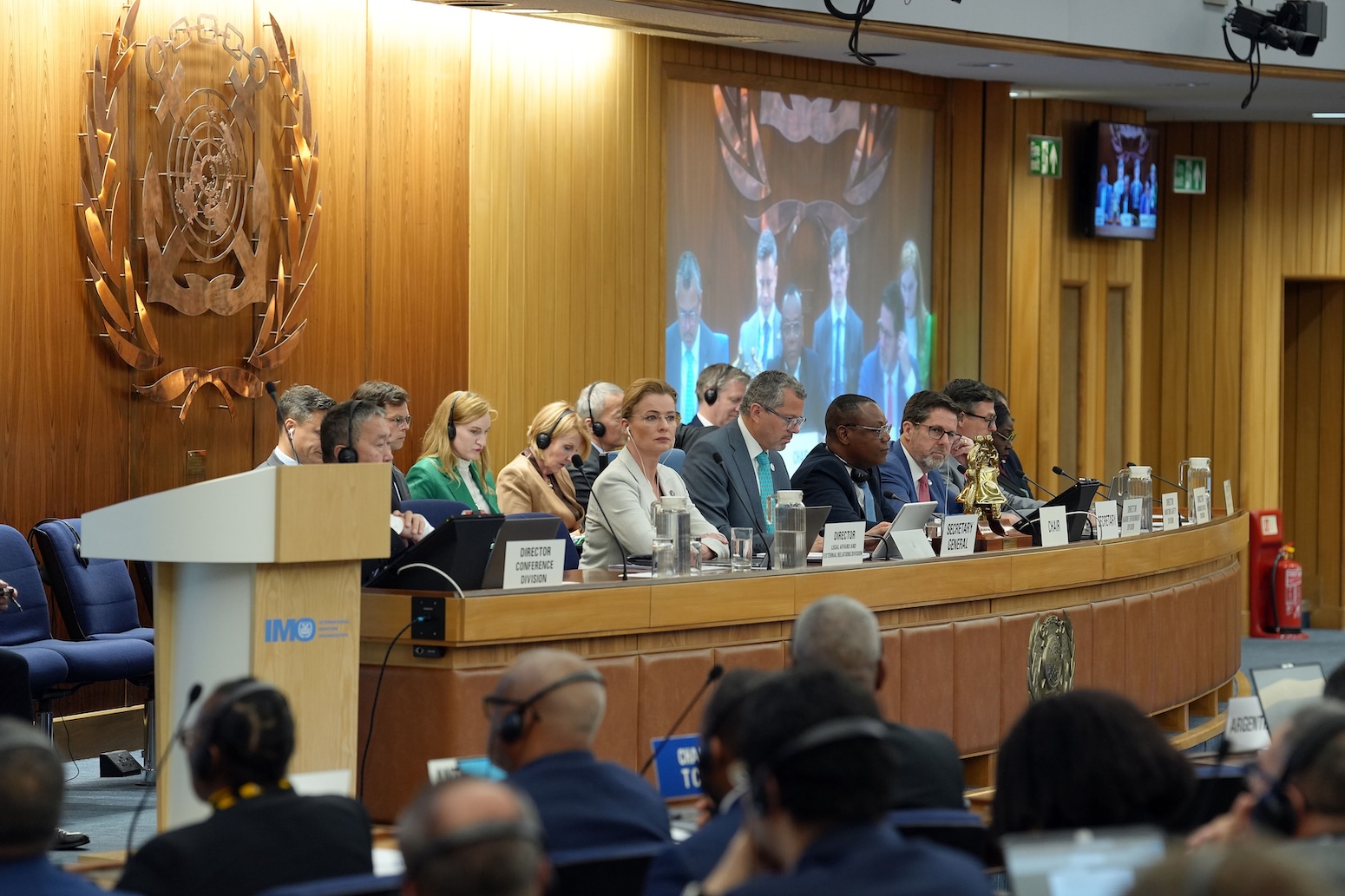
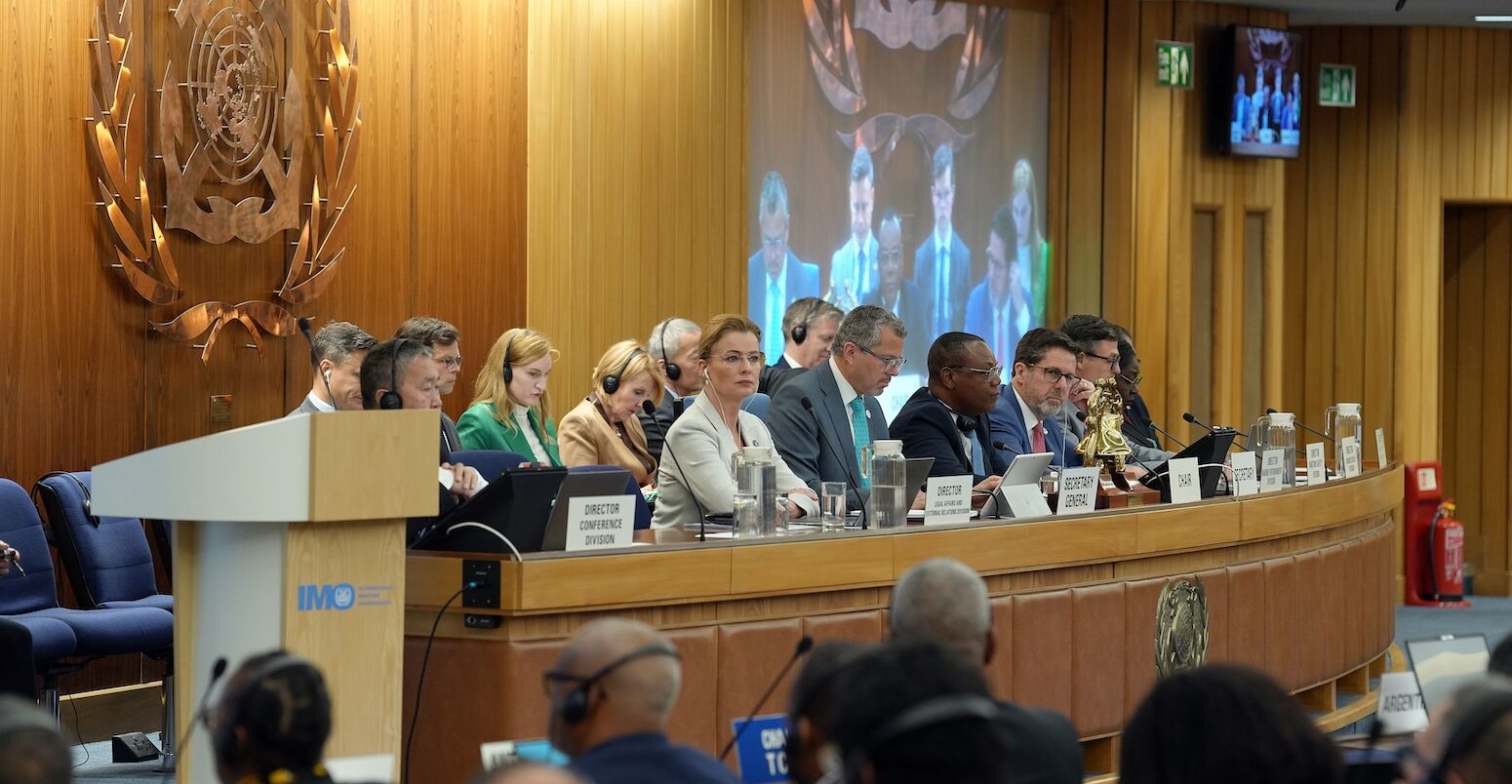
At MEPC84 in London (April 2026), nations tried again. The key tactical move was not to force a vote (which would risk losing) but to reaffirm commitment to consensus. Supporters of the original framework stressed that it was already a careful compromise, while opponents claimed they were merely seeking broader consensus. By framing the debate as “rebuilding consensus” rather than “adopting a new text,” supporters kept the original framework alive as the default reference document. The meeting ended with a reconfirmation that delegations were committed to moving forward. This gentle approach avoided a formal rejection and bought time.
Step 5: Set a New Deadline—and Make It Stick
The final step was procedural but critical: the committee agreed to try to adopt the framework at its December 2026 meeting. This new deadline provided a concrete target and kept political pressure on all parties. Supporters also ensured that the decision to postpone did not include any language that would gut the original framework. The outcome was a “recommitment” —not a retreat. The framework survived, and the next meeting will be the real test.
Tips for Future Negotiators
- Don’t over-optimize for speed. The October 2025 rush to adopt backfired. Sometimes a deliberate delay allows tempers to cool and alliances to harden.
- Use “flag states” strategically. Liberia and Panama showed how a small number of states with outsized commercial influence can block progress. Engage them early with incentives—not just pressure.
- Keep carbon pricing as the core bargaining chip. Opponents wanted it removed entirely; supporters used it as the line that could not be crossed. In multilateral deals, you need a non-negotiable element.
- Document everything. The “bully-boy” accusations were powerful because they were witnessed and recorded. Formal minutes and public statements create accountability.
- Prepare for external shocks. The US withdrawal in April 2025 and the aggressive stance in October were driven by a new administration. Anticipate political changes and build resilience into your timetable.
- Celebrate small wins. A reconfirmation of commitment might sound weak, but in the face of major opposition, keeping the framework alive is a victory. Momentum matters.
By following these steps, nations managed to steer a nearly capsized net-zero shipping deal back into safe waters. The real work—adoption and implementation—awaits in December 2026. But as this guide shows, even the stormiest negotiations can be navigated with patience, preparation, and a refusal to let the perfect be the enemy of the possible.
Related Articles
- 10 Reasons Opposed-Piston Engines Could Revolutionize Internal Combustion
- How the EU Is Defending Its Economy Against Fossil-Fuel Price Shocks Triggered by the Iran War
- Tesla Semi Enters Production Amid Rivian Earnings, Xpeng’s New Autonomy Tech
- Tesla Semi Port Pilot: MDB Transportation's Three-Week Test in Southern California
- How the 2000s Ethanol Boom Reshaped Midwest Farmland Economics
- Honda's EV Retreat: Unpacking the $11 Billion Canada Factory Shutdown and What It Means
- Flutter and Dart Take Center Stage at Google Cloud Next 2026: A Comprehensive Recap
- How to Decode the UK Car Industry's Claims About EV Sales Targets