Blink's $40 2K Doorbell: How It Stacks Up Against Google's Nest
When it comes to smart doorbells, Google's Nest has long been the gold standard for quality, but its high price tag often puts it out of reach for budget-conscious shoppers. Now, Amazon's Blink is challenging that status quo with a new 2K doorbell that delivers the same crisp video resolution as Google's premium model—but at a fraction of the cost, retailing for under $50. This Q&A breaks down what this means for you, comparing features, value, and ecosystem considerations.
- What is the new Blink doorbell and how does it compare to Google's Nest?
- How does the price difference affect the value proposition?
- What features does the Blink doorbell offer at this low price?
- Is the video quality really the same as the Nest 2K doorbell?
- How does Blink's ecosystem compare to Google Nest?
- Should you buy the Blink doorbell or the Nest doorbell?
- What are the potential downsides of choosing Blink over Nest?
1. What is the new Blink doorbell and how does it compare to Google's Nest?
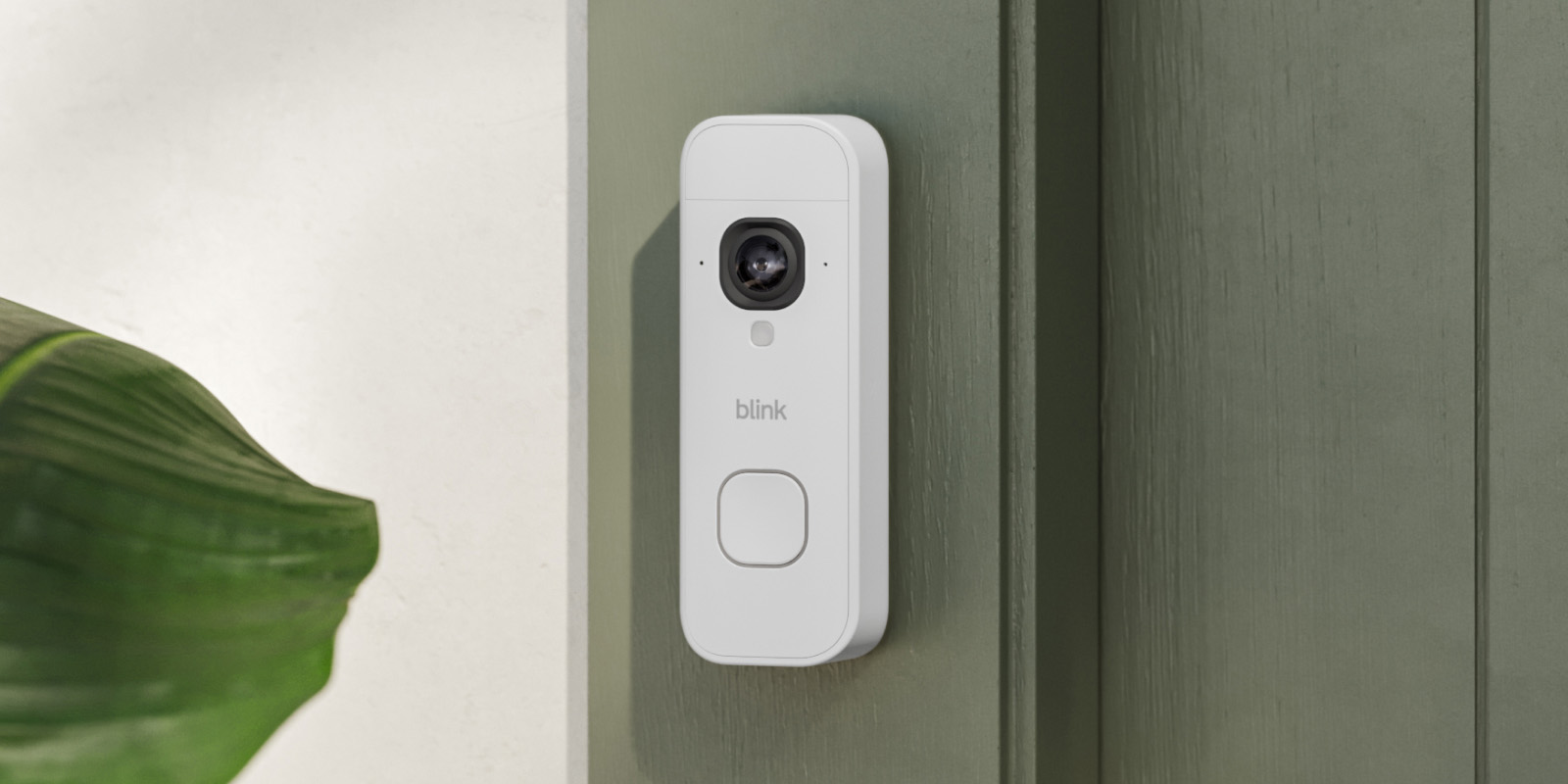
Amazon's Blink has released an upgraded video doorbell that boasts 2K resolution—the same clarity as Google's Nest Doorbell (2nd gen, wired). The key difference is price: Blink's model starts at just $40, while Google's Nest typically retails for around $180. Both offer night vision, motion detection, and two-way audio, but Blink's device is battery-powered or wired, whereas Nest is primarily wired. Blink also integrates seamlessly with Amazon Alexa, while Nest works best with Google Assistant. This makes Blink a compelling alternative for those who want high-resolution video without breaking the bank.
2. How does the price difference affect the value proposition?
The price gap is staggering: Blink's doorbell costs about 78% less than Google's Nest. For budget-minded buyers, that means you get similar core functionality—2K video, motion alerts, and live viewing—for a fraction of the cost. However, value isn't just about upfront price. Blink requires a subscription for cloud storage (starting at $3/month), while Nest includes 3 hours of free recording. Over a year, the total cost of ownership for Blink (subscription included) still remains lower than buying a Nest. This makes Blink an excellent choice for those who prioritize low initial investment and are comfortable with a subscription model for advanced features.
3. What features does the Blink doorbell offer at this low price?
Despite its low cost, the Blink doorbell packs several features:
- 2K video resolution for sharp images.
- Infrared night vision for 24/7 monitoring.
- Two-way audio with noise cancellation.
- Motion detection with customizable zones.
- Battery operation (lasts up to 2 years) or optional wired connection.
- Weather resistance (IP65 rating).
- Alexa integration for voice commands and chime announcements.
4. Is the video quality really the same as the Nest 2K doorbell?
In terms of raw resolution, yes—both capture at 2K (2560x1920 pixels) which is roughly 5MP. Side-by-side comparisons show Blink's footage is bright and detailed under good lighting, though Nest often has slightly better dynamic range and color accuracy, especially in challenging light (e.g., direct sun or deep shadows). Both support HDR, but Nest's processing is more refined. Still, for most users, the difference is negligible in daily use. You'll still clearly see faces, packages, and license plates. Blink's night vision is also comparable, though Nest's infrared is slightly more even. Overall, you're getting genuinely comparable video for a fraction of the cost.

5. How does Blink's ecosystem compare to Google Nest?
Blink is part of Amazon's ecosystem, so it works natively with Alexa—you can view live feeds on Echo Show devices, get alerts, and control settings by voice. It does not support Google Assistant, Apple HomeKit, or IFTTT. Google Nest, by contrast, integrates deeply with Google Assistant, Google Home Hub, and Nest Hub. It also offers limited Alexa compatibility. If you already have Amazon smart speakers or Ring devices, Blink fits perfectly. If you're invested in Google's ecosystem (Nest Thermostat, Google Home), Nest will be more seamless. Both offer similar automation triggers (e.g., turn on lights when motion detected), but Blink's ecosystem is more limited to Amazon products.
6. Should you buy the Blink doorbell or the Nest doorbell?
It depends on your priorities. Choose Blink if:
- Budget is your main concern.
- You use Amazon Alexa already.
- You want battery-powered flexibility.
- You don't need advanced AI features like familiar face detection.
- You're in the Google ecosystem.
- You want the best video quality and image processing.
- You need free cloud storage without a subscription.
- You prefer a more polished app and integration.
7. What are the potential downsides of choosing Blink over Nest?
Blink's low price comes with trade-offs. First, the subscription is almost necessary—without it, you can only view live video and get motion alerts (no clips). Nest gives 3 hours of free recording. Second, Blink's app is less polished and sometimes slower to load live feed. Third, motion detection can be less sensitive or trigger false alarms if not tuned properly. Fourth, no smart detection (people/package/animal) is available—only generic motion. Fifth, the build quality feels slightly cheaper (plastic vs. metal on Nest). Finally, integration is limited to Alexa; no Google/HomeKit. These factors might matter to power users, but for most, Blink remains a fantastic bargain.
Related Articles
- 7 Key Developments in the OnePlus-Realme Merger: What It Means for the Brand's Future
- Lion vs Tiger: New Research Reveals Surprising Genetic and Behavioral Differences
- Daemon Tools Backdoored in Month-Long Supply Chain Attack: A Detailed Analysis
- Google Home Unveils Major Summer Upgrade with Enhanced Cameras, Smarter Automations, and Gemini AI Integration
- Swift 6.3 Expands Horizons: Enhanced C Interop, Android SDK, and More
- Mistral AI's Vibe and Mistral Medium 3.5: Q&A on Remote Coding Agents and Smarter Models
- NVIDIA and Google Cloud Expand AI Infrastructure for Agentic and Physical AI
- Breaking: Ubuntu 26.04 LTS Streamlines Pro Activation by Moving Settings to Security Center