Flight Research at NASA Armstrong: 10 Key Developments and Capabilities
By
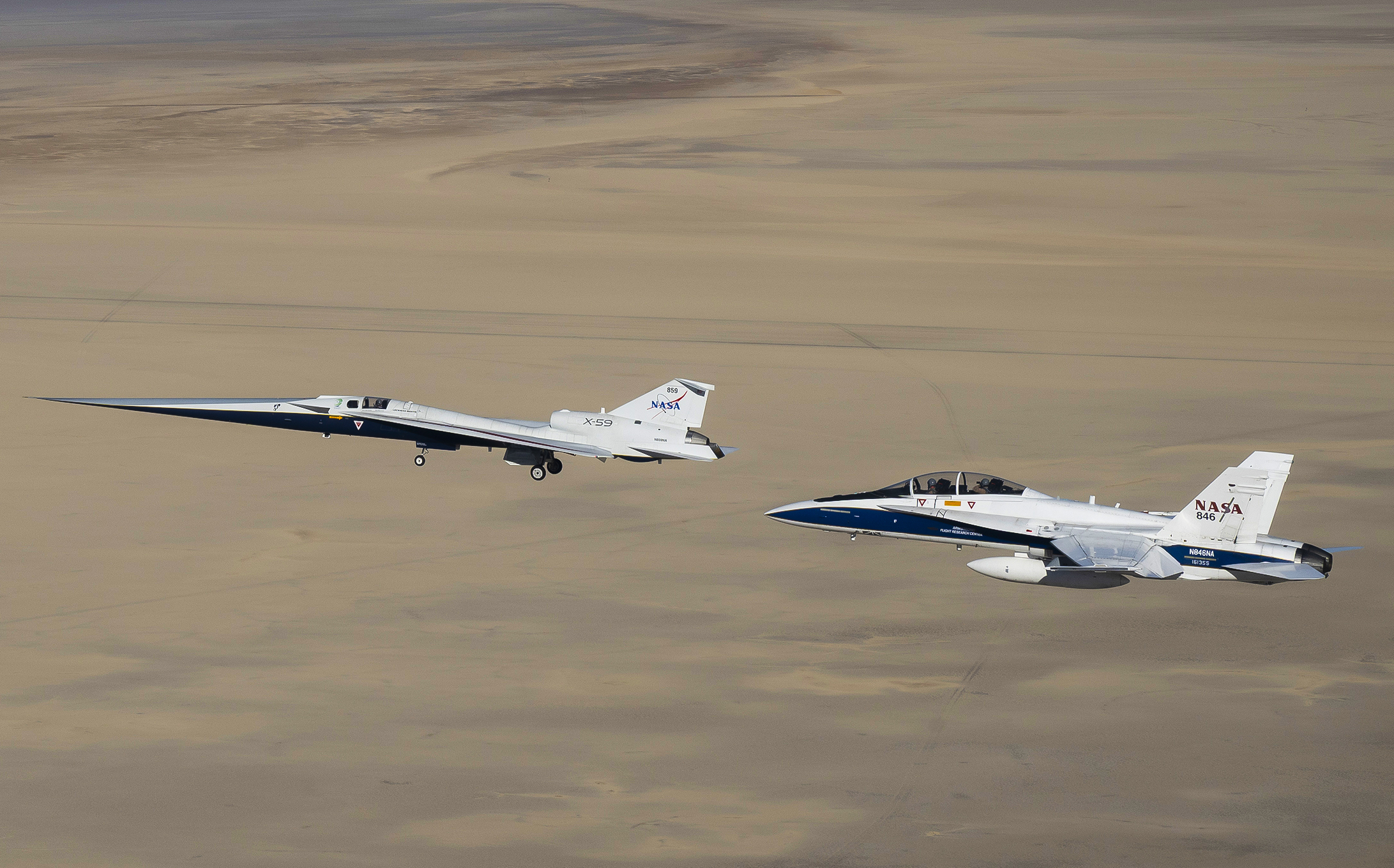
Welcome to the heart of experimental aviation: NASA’s Armstrong Flight Research Center in California’s Mojave Desert. For nearly eight decades, this facility has been at the forefront of aerospace innovation, carrying forward the legacy of pioneers like Neil Armstrong. Today, Armstrong is expanding its fleet with new aircraft—from supersonic jets to versatile turboprops—while continuing to support critical airborne science and aeronautics test missions. The center’s unique blend of skilled personnel, state-of-the-art infrastructure, and a storied past makes it a vital hub for global research. Dive into these 10 essential facts to understand how Armstrong is shaping the future of flight.

Tags:
Related Articles
- Renewed Cyber Threat Activity: TGR-STA-1030 Strikes Central and South America
- How to Understand China’s Hanyuan-2: The World’s First Dual-Core Quantum Computer
- A Step-by-Step Guide to Using the Keto Diet for Mental Health Support
- Lightweight Linux Distros for Old Laptops: A 4GB RAM Test Reveals a Surprising Winner
- Mastering the Eta Aquariid Meteor Shower: A Comprehensive Guide to Observing Halley's Comet's Debris
- Mars Odyssey’s 25-Year Milestone: Celebrating with a Global Map
- 6 Reasons the Fliti Galaxy Projector Transforms Your Room (And It's Only $25!)
- 10 Fascinating Facts About the Donut-Shaped Parachute Bound for Mars