Volcanic Eruption Forecasting Inches Closer to Weather-Like Accuracy, Experts Say
Breaking News: Volcanic Eruption Forecasting Advances Rapidly
The devastating 1991 eruption of Mount Pinatubo in the Philippines—which killed over 800 people, flattened its summit, and spewed a 2.5-kilometer-wide crater—remains a stark reminder of nature's fury. But now, scientists say we are on the cusp of forecasting volcanic eruptions with the same confidence as predicting tomorrow's rain.
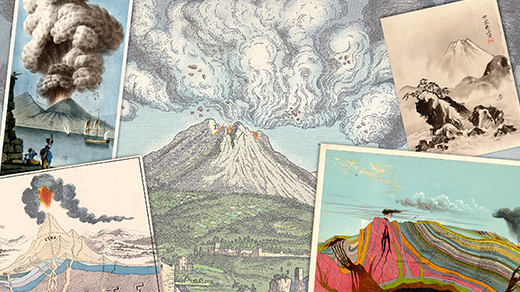
"We're not there yet, but the progress in the last decade has been staggering," said Dr. Elena Martinez, a volcanologist at the US Geological Survey. "We can now detect subtle ground swelling, gas emissions, and seismic patterns weeks in advance."
How Pinatubo Changed Everything
In June 1991, Pinatubo erupted after centuries of dormancy. Pyroclastic flows—incandescent avalanches of molten rock and gas—raced down its slopes, obliterating everything in their path. The explosion was heard thousands of kilometers away.
Today, that eruption serves as both a cautionary tale and a benchmark for modern forecasting techniques.
"Pinatubo was a wake-up call," said Dr. James Okonkwo, a geophysicist at the University of Tokyo. "It showed us that we need real-time data and global cooperation to save lives."
Background: From Ash to Algorithms
Volcanic forecasting relies on monitoring changes in a volcano's behavior. Instruments measure gas composition, ground deformation, and tiny earthquakes that signal magma movement.
- Seismic arrays detect harmonic tremors—a key precursor.
- GPS and satellite imagery track ground swelling.
- Gas spectrometers identify rising sulfur dioxide levels.
Yet, until recently, these data streams were analyzed in isolation. New machine-learning models now integrate multiple signals, improving accuracy. "We're moving from reactive to predictive," explained Dr. Martinez. "But we still lack the density of sensors found in weather networks."
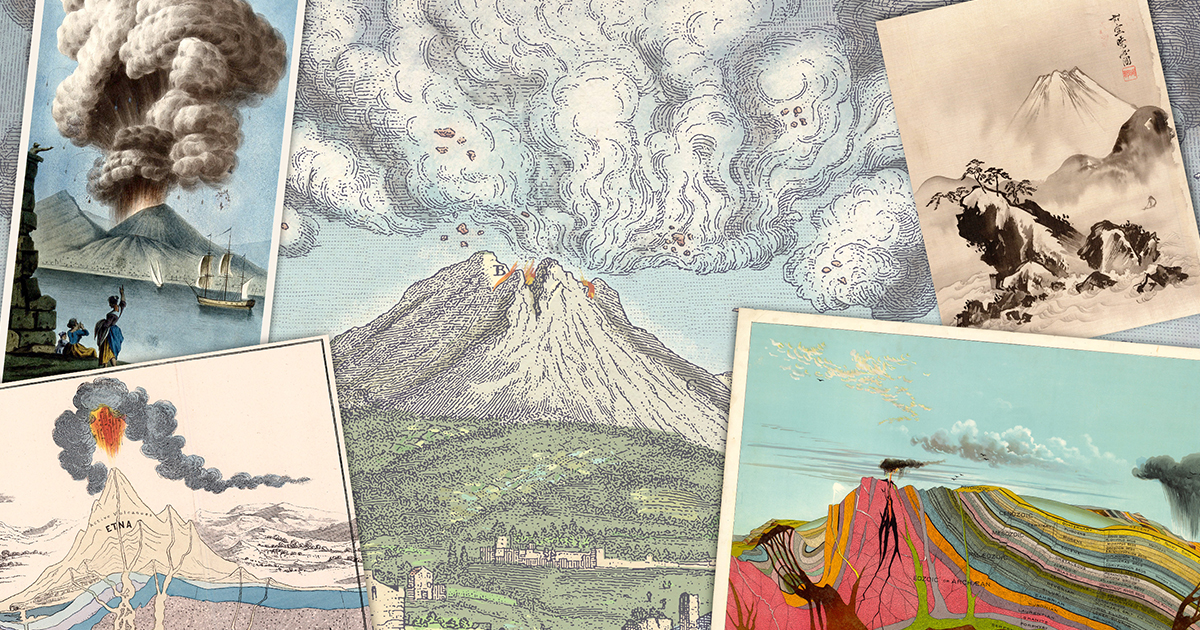
What This Means for Global Safety
If forecasting reaches weather-like reliability, the impact could be enormous. Early warnings would allow authorities to evacuate millions, close airspace, and protect infrastructure.
"Imagine knowing a month ahead that a volcano like Vesuvius may erupt," said Dr. Okonkwo. "That's a game-changer for disaster preparedness."
Nevertheless, challenges remain. Many active volcanoes lack monitoring equipment, especially in developing nations. Funding and political will are inconsistent.
Internal Resources
For more on how scientists monitor volcanoes, see our Background section. To understand the societal implications, jump to What This Means.
This story is developing. Check back for updates.
Related Articles
- Google’s Pixel Glow Feature: Multiple Lights and Laptop Animation Revealed in App
- How to Build Your First AI Agent with Microsoft Agent Framework
- 10 Reasons Why Switching from OneDrive to Ente Photos Changed My Backup Game
- Digital Twins: The Ethical Spectrum of AI Cloning
- How to Build an Egocentric Video Prediction Model Using Whole-Body Actions
- April 2026 Brings Major Linux App Updates: Firefox 150, Kdenlive, VirtualBox, and GIMP Bug Fix
- Exploring AI's Role in Accessibility: Opportunities and Cautions
- Leveraging Simulation to Solve Power System Design Challenges: Corona and HVDC Cable Fields