Alphabet’s AI Drug Unit Isomorphic Labs in Talks for $2B+ Funding Round
Isomorphic Labs Inc., the artificial intelligence-driven drug discovery unit owned by Alphabet Inc., is negotiating a new funding round that could exceed $2 billion, according to sources familiar with the matter.
Bloomberg reported on Wednesday that Thrive Capital, a major backer of OpenAI and existing investor in Isomorphic Labs, is expected to lead the raise. The exact valuation and terms remain under discussion.
Details of the Fundraising
The potential $2 billion-plus injection would be one of the largest private rounds in the biotech AI sector this year. Isomorphic Labs has not publicly commented on the report.
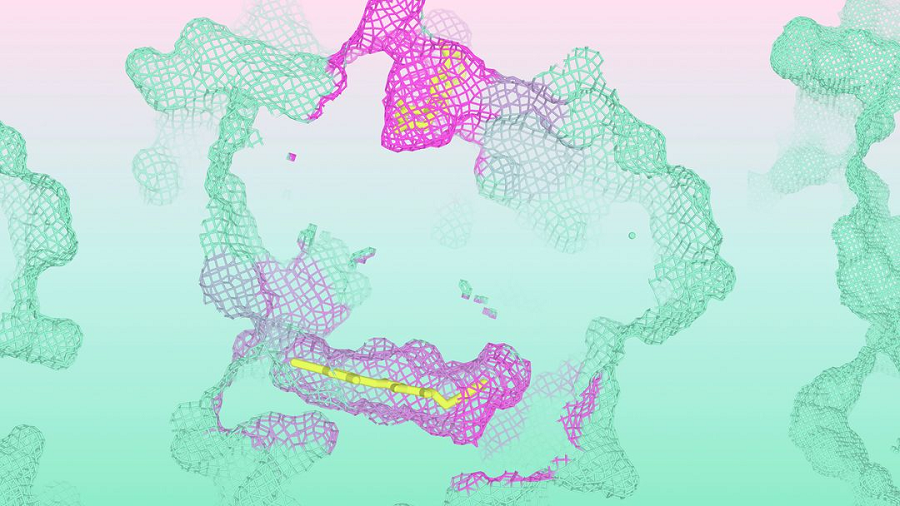
“This scale of funding signals that investors see massive potential in applying advanced AI to the notoriously slow and expensive drug discovery process,” said Dr. Elena Torres, a healthcare analyst at MarketIntel Partners. “Thrive Capital’s continued involvement adds credibility.”
Background
Isomorphic Labs was founded in 2021 as a standalone Alphabet subsidiary, building on DeepMind’s breakthroughs in protein folding. The company aims to use AI models to predict drug interactions and accelerate the development of new therapies.

Alphabet’s commitment to the unit has deepened over time. In 2023, Isomorphic Labs signed partnerships with pharmaceutical giants Eli Lilly and Novartis, each deal potentially worth billions in milestones.
What This Means
If completed, the new funding would fuel Isomorphic Labs’ expansion of its AI platform and possibly support early-stage clinical trials. It also underscores the growing investor appetite for AI-first biotech companies.
“This isn’t just a cash infusion — it’s a signal that the industry is betting on AI to fundamentally change how drugs are discovered,” said Torres. “Isomorphic Labs is positioning itself as a leader, but competition from players like Recursion Pharmaceuticals and Insilico Medicine is heating up.”
The round could also pressure other Alphabet units to demonstrate similar innovation in healthcare. However, large-scale AI drug development remains unproven, with years of testing ahead before any new medicines reach patients.
Related Articles
- How to Make Psychedelic Therapy Equitable for Communities of Color
- 5th Circuit Court Ruling Restricts Mifepristone Access to In-Person Dispensing Only
- Enhanced Mediterranean Diet with Exercise Cuts Diabetes Risk by Nearly a Third, Study Finds
- Preventing Outdated Defenses: A Guide to Managing Scale Protection Systems
- How to Forge a Biotech Revolution: Lessons from J. Craig Venter's Unrelenting Approach
- 8 Breakthrough Facts About the New 'Trojan Horse' Obesity Drug That Could Revolutionize Weight Loss
- How Museum Visits Can Turn Back the Clock on Aging: A Q&A
- Arginine Supplementation Shows Promise in Reducing Alzheimer’s Pathology: New Research