8 Steps Meta Took to Escape the WebRTC Forking Trap and Modernize Real-Time Communication
By
Introduction
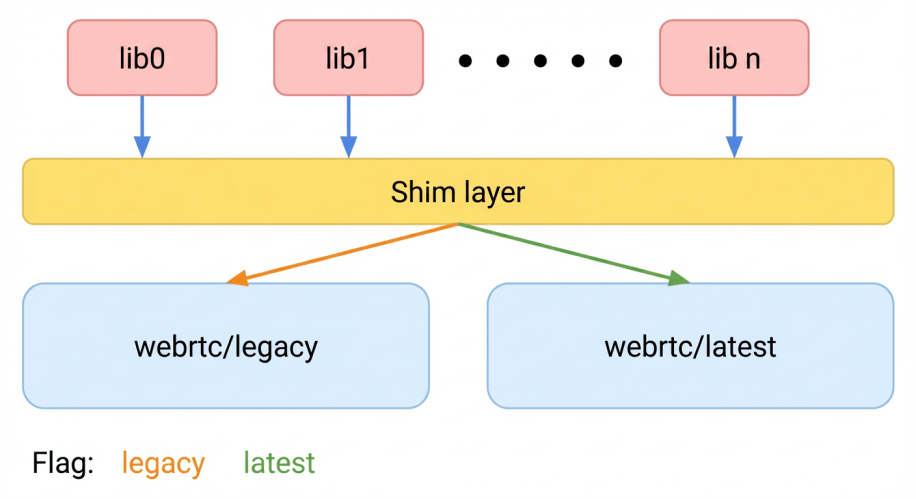
Meta relies on WebRTC to power real-time audio and video across platforms like Messenger, Instagram, Cloud Gaming, and VR casting on Quest. But maintaining a permanent fork of this massive open-source project created a classic 'forking trap': internal modifications drifted far from upstream updates, making integration costly and risky. To break free, Meta engineered a dual-stack architecture that allowed safe A/B testing across over 50 use cases, eventually moving to a modular system built atop the latest upstream version. This article walks through the eight critical steps Meta took to modernize WebRTC, improve performance and security, and establish a continuous upgrade pipeline.
Tags:
Related Articles
- Leveraging eBPF for Safer Deployments at GitHub
- Open Source AI Agent 'OpenClaw' Races to GitHub Record, Raises Security Alarms
- k6 2.0: AI-Enhanced Performance Testing and More – Everything You Need to Know
- Rust Project Welcomes 13 Accepted Google Summer of Code Proposals Amid Record 96 Submissions and AI-Generated Proposal Challenges
- Navigating Age Assurance Laws: What Every Developer Should Know
- Breathe New Life into Your Old PC: The Case for Windows 11 Pro Under $10
- Exploring Diffusion Models for Video Generation: Key Questions Answered
- GitHub Deploys Continuous AI System to End Accessibility Feedback Black Hole