5 Surprising Connections Between Venus and Hawaii's 2022 Eruption
When we think of volcanic worlds, Venus and Earth's Hawaii might not seem like obvious cousins. Yet, scientists are using the massive 2022 eruption of Mauna Loa in Hawaii to unlock secrets about whether Venus—often called Earth's 'evil twin'—is still volcanically active today. This listicle explores five key facts that link these two fiery landscapes, showing how a single eruption on our planet can help us understand a whole other world.
1. Venus Is a Volcanic Powerhouse—But Is It Still Active?
Venus has more volcanoes than any other planet in our solar system, with over 1,600 major volcanic features. For decades, scientists debated whether these volcanoes are dormant or still erupting. Recent radar images from NASA's Magellan mission revealed fresh-looking lava flows, suggesting some volcanoes might have been active within the last few hundred years—a blink in geological time. However, direct proof of ongoing eruptions remains elusive because Venus's thick, cloudy atmosphere blocks most remote sensing. That's where Earth's own active volcanoes step in to provide crucial comparisons.
2. Hawaii's 2022 Mauna Loa Eruption Offers a Perfect Analog
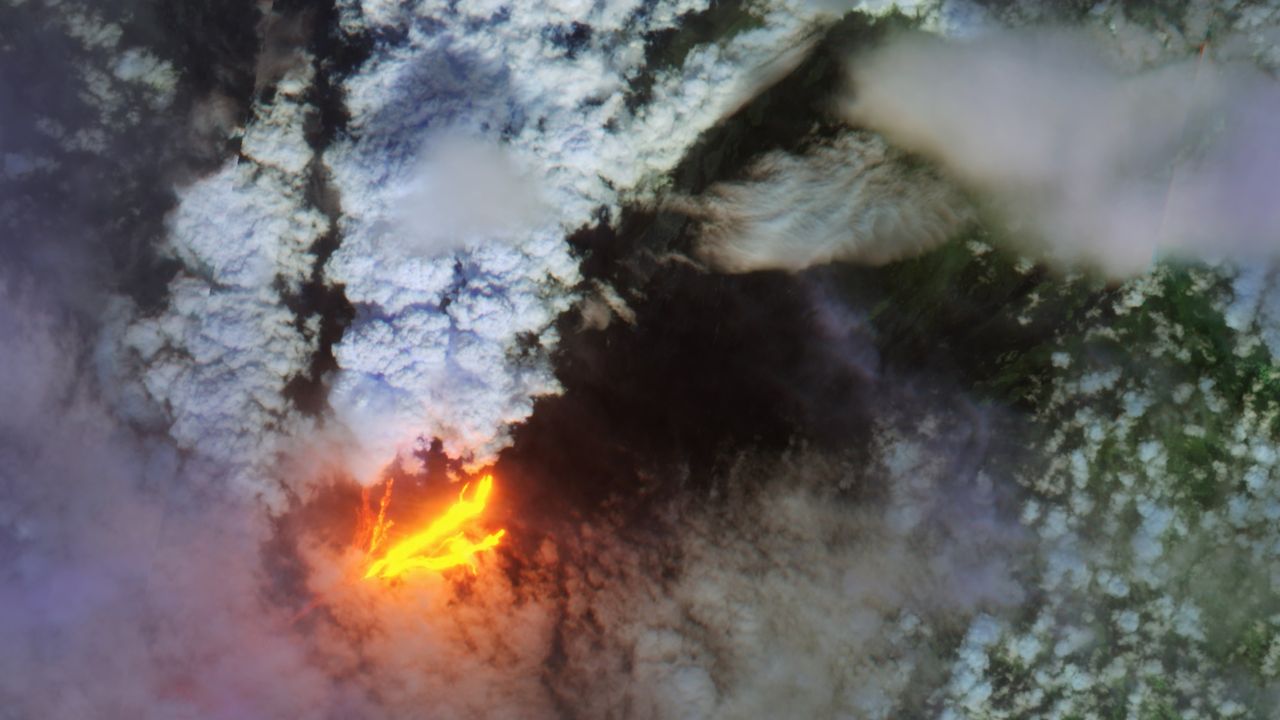
The 2022 eruption of Mauna Loa, Hawaii's largest shield volcano, was a rare and massive event that produced fast-moving lava flows and spectacular gas plumes. This eruption was closely monitored by a suite of instruments, including ground-based seismometers, satellites, and drones. By studying the eruption’s thermal signatures, gas emissions, and surface changes, scientists can build a template for what a similar eruption on Venus might look like. Mauna Loa is particularly useful because its low, shield-like shape and basaltic lava composition are thought to be similar to many Venusian volcanoes.
3. Radar and Thermal Data Bridge the Gap Between Worlds
One of the biggest challenges in studying Venus is that its surface is hidden by clouds. Radar can penetrate the clouds, and thermal infrared can detect hot surfaces from space. During the Mauna Loa eruption, scientists tested how well radar and thermal sensors could identify fresh lava flows, cracks, and vents. By correlating radar roughness with lava flow age on Earth, they can calibrate similar data from Venus. For instance, the Magellan radar data from the 1990s can now be reinterpreted with this Earth-based ground truth, potentially identifying regions where lava erupted just years before the spacecraft flew over.
4. Venus Has 'Hotspots' That Mimic Hawaiian Volcanism
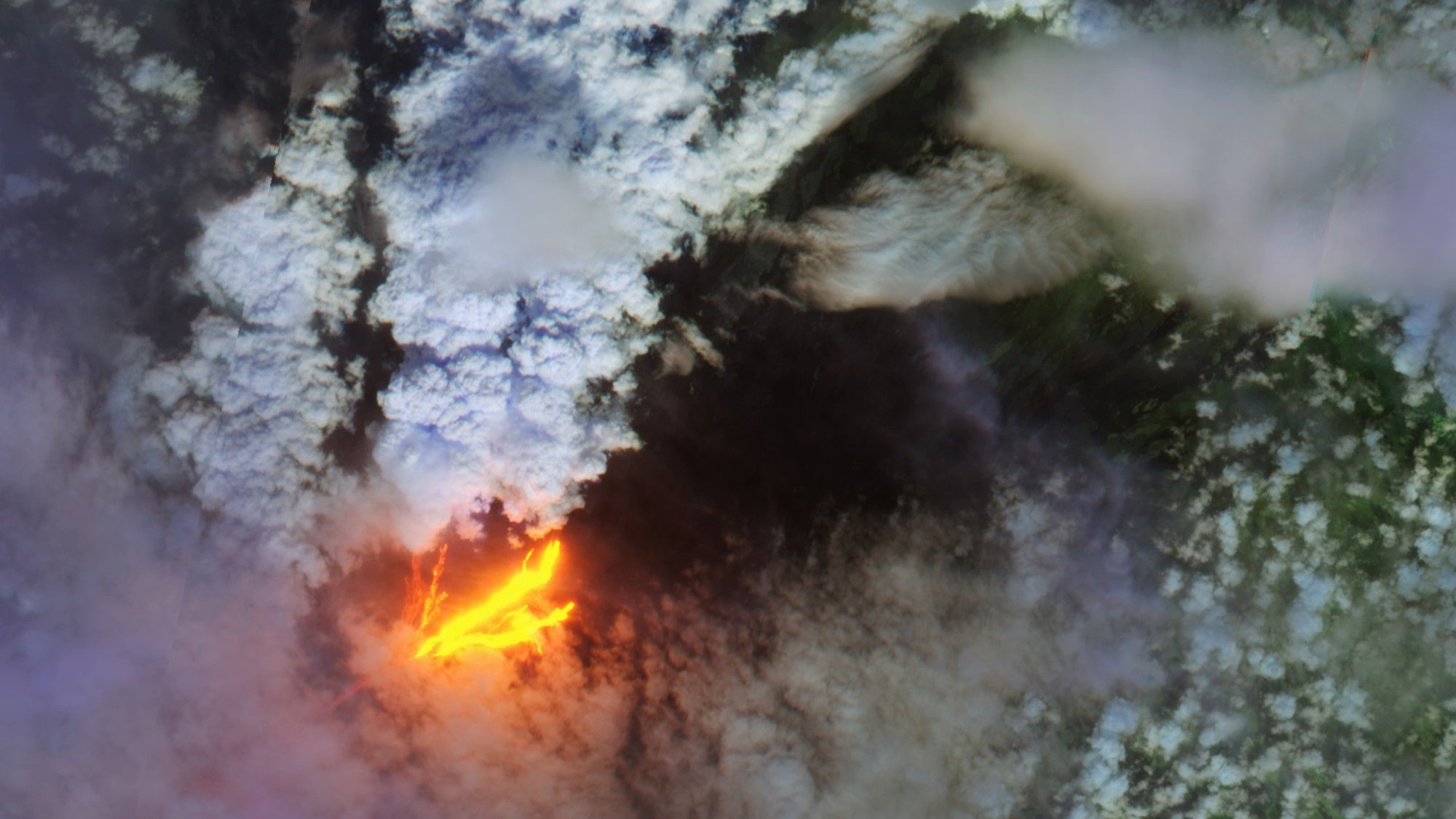
Many of Venus's largest volcanoes, such as Maat Mons and Sif Mons, are thought to be hotspots—plumes of hot rock rising from deep within the planet's mantle, similar to the hotspot that created the Hawaiian Islands. In Hawaii, the Pacific plate moves slowly over a stationary mantle plume, producing a chain of volcanoes. On Venus, because the planet lacks plate tectonics, heat escapes through giant domes and coronae instead. The 2022 Mauna Loa eruption provided a real-time example of hotspot volcanism that researchers can model to predict Venusian eruption styles, magma composition, and lava flow lengths.
5. What the 2022 Eruption Could Reveal About Venus's Future
By combining lava flow mapping from the Mauna Loa eruption with advanced computer models, scientists can estimate the volume and frequency of eruptions needed to create the features seen on Venus. If the 2022 eruption’s data matches the signatures from certain Venusian volcanoes, it would strongly argue that those volcanoes are currently active. Future Venus missions like NASA's VERITAS and ESA's EnVision, both planned for the early 2030s, will carry next-generation radar and spectrometers. The lessons from Hawaii's 2022 eruption will directly influence how those missions search for active volcanism—and maybe even a Venusian eruption in real time.
Conclusion
The 2022 eruption of Mauna Loa is more than a spectacular natural event on Earth; it's a key that could unlock the volcanic heartbeat of Venus. From radar calibration to hotspot analogies, the connections between these two worlds are profound. As we await new missions to Venus, Hawaii's fire fountains are teaching us exactly what to look for—and proving that our planetary neighbor may still be geologically alive.
Related Articles
- From Flight Surgeon to Space: The Unconventional Journey of NASA Astronaut Anil Menon
- How AI and a Revolutionary Observatory Could Finally Explain Dark Energy
- How to Build an AI Agent That Knows When to Use Tools (and When Not To)
- Leading the Xenonauts: Command, Conflict, and Cold War in Xenonauts 2
- Unveiling the Hidden Giant: The Vela Supercluster and the Zone of Avoidance
- 10 Ways AI Could Transform Your Calendar (And Why It Might Work)
- Containing Wildfires in Radioactive Exclusion Zones: A Step-by-Step Emergency Response Protocol
- Mastering CSS rotateX(): 6 Essential Things You Need to Know