Exploring Saros: A Maddening Yet Captivating Journey
Saros, the latest AAA title from the creators of Returnal, offers a different flavor of psychological horror. While it may not have the same punishing difficulty, its haunting atmosphere and literary depth create an equally gripping experience. Below, we answer common questions about this mesmerizing game. Jump to the first question to begin.
How does Saros compare to Returnal in terms of difficulty and sting?
Unlike Returnal's notoriously brutal difficulty that often feels like a test of reflexes, Saros softens its approach but retains the tension. The game focuses more on narrative immersion and psychological exploration rather than punishing failure. Players will find fewer instant-death traps and more forgiving checkpoints, yet the sense of dread remains palpable. The trade-off is a deeper, more literary journey that rewards patience and observation over twitch-based skills. This shift makes Saros accessible to a broader audience while still challenging those who seek a mental rather than mechanical struggle.

What makes Saros's game feel so "airtight"?
The term "airtight" perfectly describes Saros's exceptional polish. Responsive controls, seamless transitions between environments, and a combat system that feels weighty yet fluid create a near-perfect player interaction. Every action—from dodging to puzzle-solving—is precise and satisfying. The game's optimization ensures no frame drops or input lag, allowing players to stay fully immersed in the story without technical distractions. This level of craftsmanship is rare in AAA titles and contributes significantly to the game's addictive nature.
What literary inspirations does Saros draw from?
The narrative of Saros is heavily influenced by cosmic horror and psychological fiction, notably the works of H.P. Lovecraft and Jorge Luis Borges. Players encounter themes of madness, time loops, and unreliable narrators. The writing style echoes literary techniques like stream-of-consciousness and fragmented storytelling. Environmental clues and flavor texts often reference classic tropes, encouraging players to interpret the story on multiple levels. This depth ensures that each playthrough reveals new layers of meaning.
Why is Saros considered highly replayable?
Saros offers multiple endings, branching narrative paths, and hidden lore that change based on player choices. A New Game+ mode unlocks additional challenges and reinterpretations of the story. Procedurally generated elements in some areas ensure each playthrough feels fresh. More importantly, the literary depth invites replay to catch subtleties missed the first time—a line of dialogue, a visual clue, or a hidden area. This design makes Saros a rich experience for completionists and narrative enthusiasts alike.
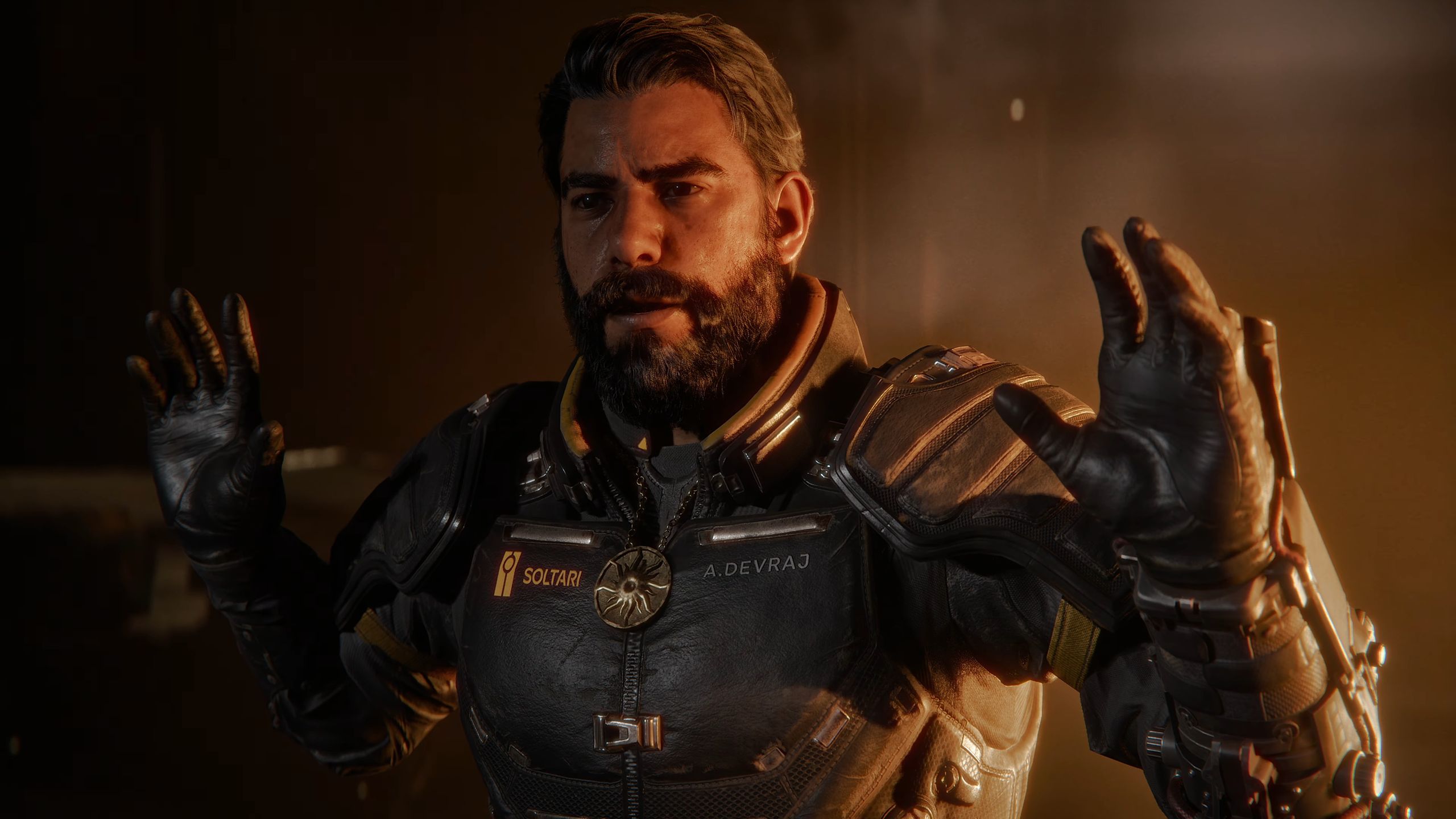
What is the "madness-inducing journey" mentioned in reviews?
The journey in Saros is designed to unsettle players through subtle psychological cues rather than overt horror. Environmental shifts, ambiguous dialogue, and hallucinations blur the line between reality and fantasy. The sound design and visual effects gradually induce a sense of paranoia. While not as instantly violent as Returnal, the slow burn of madness creates a lingering unease that keeps players engrossed long after they stop playing. It's a masterclass in atmospheric storytelling.
How does the game's atmosphere contribute to its overall impact?
Saros masterfully builds atmosphere through haunting ambient sounds, distorted visuals, and a claustrophobic world that feels alive yet hostile. The lighting and color palette shift to mirror the protagonist's mental state. Each area tells a story through its design—crumbling statues, flickering texts, and echoing footsteps. This atmospheric depth makes exploration rewarding and enhances the narrative's emotional weight. Players often find themselves pausing just to absorb the environment.
Who would enjoy Saros most?
Fans of atmospheric storytelling, literary horror, and narrative-driven games will find Saros compelling. It appeals to players who prefer exploration over combat and those who appreciate philosophical themes. While it shares DNA with Returnal, it's less about twitch reflexes and more about interpretation. Recommended for readers of Lovecraft, fans of games like Soma or Amnesia, and anyone seeking a thought-provoking, replayable experience.
Related Articles
- 10 Ways eBay Can Save $1.2 Billion by Embracing Bitcoin Instead of GameStop’s Bid
- Star Wars Battlefront 2 Player Count Spikes as 'Resurgence Day' Returns, Reigniting Calls for Sequel
- Master NYT Connections #1064: Hints & Full Answers for Sunday, May 10
- 5 Tech Shifts You Need to Know About: OpenAI Phone, Steam Machines, and Xbox Copilot's End
- The Lenovo Legion Tab (5th-gen) Buying Guide: Is This Premium Gaming Tablet Worth Your Money?
- 5 Essential Insights into the Horizon Hunters Gathering Second Playtest
- Developer Achieves Full Linux Port on PlayStation 5, Transforms Console Into Gaming PC
- How to Track IO Interactive's Game Pipeline: From 007 First Light to the Unnamed Fantasy RPG and Beyond