New Quiz Challenges Developers on Type-Safe LLM Agent Construction Using Pydantic AI
Breaking: Structured Reliability for LLM Agents Put to the Test
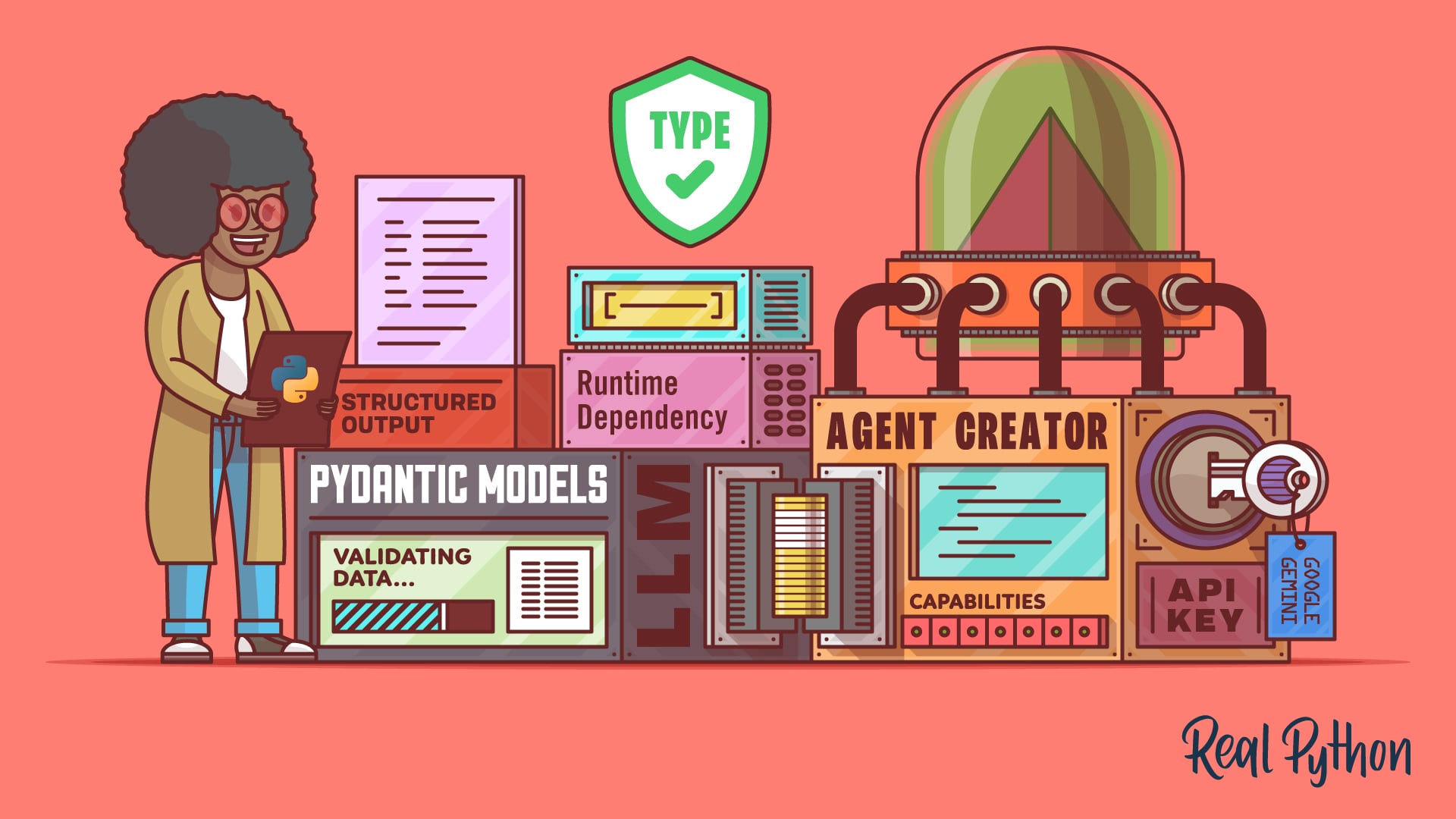
A newly released interactive quiz is pushing Python developers to master type-safe LLM agent design with Pydantic AI. The exercise covers five core pillars: structured outputs, validation retries, tool integration, dependency injection via RunContext, and production trade-offs.
“Type safety is no longer optional when building LLM agents,” said Dr. Anna Li, a senior AI engineer at DataForge. “This quiz forces developers to think about how to get predictable, validated outputs from inherently unpredictable models.”
What the Quiz Covers
The quiz tests how Pydantic AI extracts structured responses from large language models. Participants must understand how validation retries catch malformed outputs and improve reliability.
Another focus is tool and function calling—the mechanism that lets agents perform actions beyond text generation. The quiz also explores dependency injection through RunContext, a pattern for threading configuration and state through agent workflows.
Finally, it asks developers to weigh the trade-offs of running agents in production, such as latency versus accuracy and cost versus quality.
Background: The Rise of Pydantic AI for Agents
Pydantic AI is a Python framework that extends the popular Pydantic library to orchestrate LLM calls. It enforces structured schemas on model outputs, enabling type-safe integration into larger systems.
The framework has gained traction as developers move from simple chat prompts to production-grade agents that need to interact with databases, APIs, and decision logic.
What This Means for Developers
“This quiz signals that the community is maturing,” said Li. “We’re no longer just experimenting—we’re building robust, testable systems.”
Mastering these patterns can reduce debugging time and improve agent reliability. Developers who pass the quiz will be better equipped to design agents that handle errors gracefully and scale safely.
For teams adopting AI features, type safety offers a clearer contract between the LLM and application code. The trade-offs—like slower initial calls due to validation—are often worth the stability gains in production.
Test Your Skills Now
The quiz is available online and takes about 20–30 minutes. Jump to the quiz details or skip to the implications.
Developers who complete it will receive a certificate and a deeper understanding of how to build agents that don’t just talk—they execute reliably.
Related Articles
- Claude Opus 4.7 Hits Amazon Bedrock: Anthropic’s Smartest Model Yet Boosts Coding and Enterprise AI
- Mastering SAP-Related npm Packages Compromised in Credential-Stealing Supply ...
- How to Create a Self-Improving AI: Building with MIT's SEAL Framework
- Rust Project Retracts Major Challenges Report Amid Controversy Over AI-Generated Draft
- Meta's Adaptive Ranking Model: Revolutionizing Ads with LLM-Scale Inference Efficiency
- Rust Project Retracts Blog Post on Language Challenges After LLM-Generated Draft Sparks Controversy
- Exploring How I Get Free Traffic from ChatGPT in 2025 (AIO vs SEO)
- Google's Gemini Nano Forces Android Developers to Revolutionize Prompt Engineering as On-Device AI Replaces Cloud