Meta's AI-Driven Approach to Hyperscale Efficiency: Automating Performance Optimization
At Meta, where code serves over 3 billion people, even a 0.1% performance regression can cause massive power consumption. To tackle this, the company has built an AI agent platform that automates the identification and resolution of performance flaws across its infrastructure. By encoding the expertise of senior efficiency engineers into reusable, composable skills, these intelligent agents are now recovering hundreds of megawatts (MW) of power and drastically reducing manual investigation time. This article explores how Meta’s Capacity Efficiency Program leverages unified AI agents to maintain hyperscale performance without proportionally scaling headcount.
The Challenge of Hyperscale Efficiency
Operating at massive scale introduces unique efficiency hurdles. Small inefficiencies can compound across millions of servers, wasting significant energy and resources. Traditionally, engineers manually hunted for optimizations (offense) and monitored production for regressions (defense). While effective, this approach hit a bottleneck: human time. With thousands of regressions detected weekly by Meta’s internal tool, FBDetect, and countless optimization opportunities awaiting exploration, the need for automation became critical.

How Meta’s AI Agent Platform Works
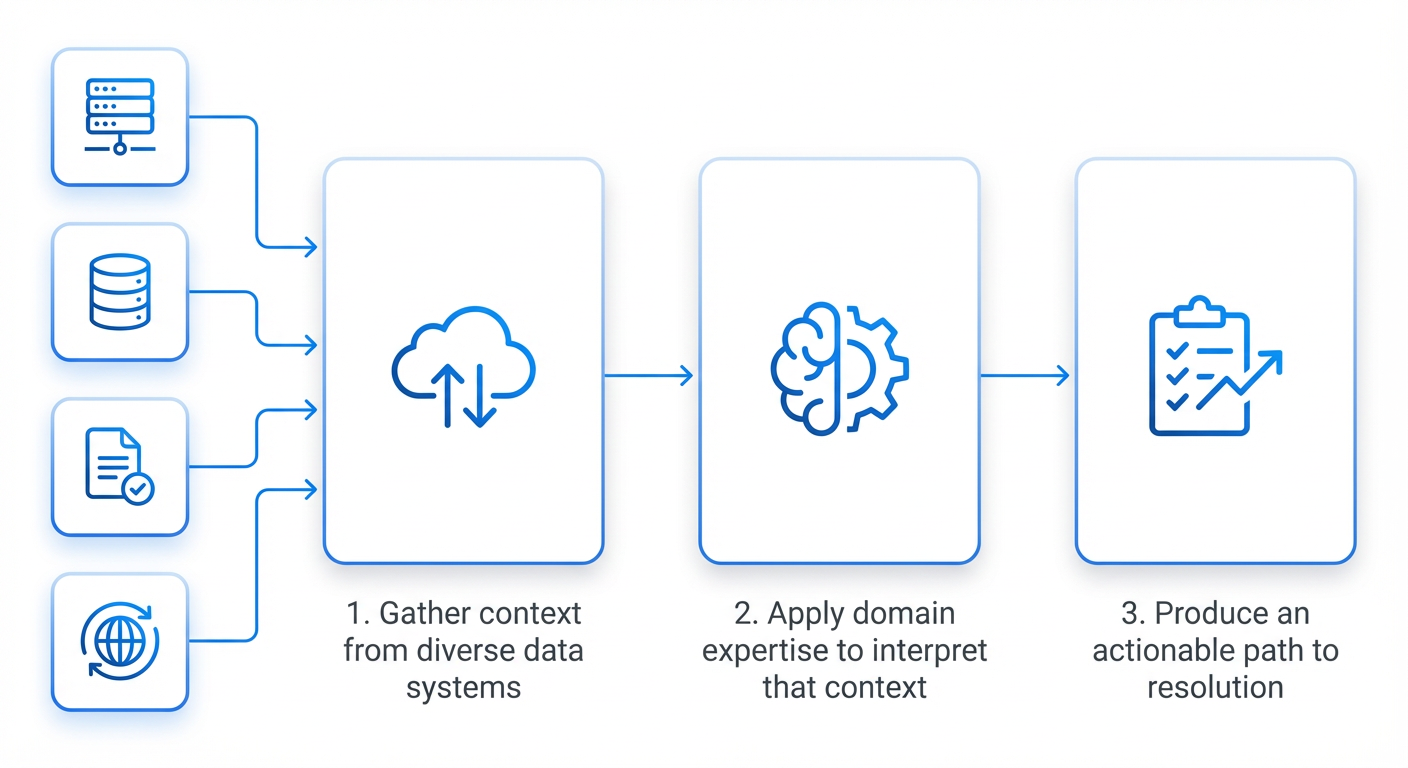
The core innovation is a unified platform that combines standardized tool interfaces with embedded domain knowledge. This allows AI agents to autonomously perform investigation and remediation tasks that once required hours of manual labor. The platform supports both offensive and defensive efficiency efforts, enabling a self-sustaining cycle of continuous improvement.
Offense: Proactive Optimization
On the offensive side, AI-assisted opportunity resolution is expanding across multiple product areas each half. The agents automatically identify inefficient code paths, simulate fixes, and generate ready-to-review pull requests. This proactive approach means engineers can focus on innovative features rather than hunting down performance bottlenecks. As a result, a growing volume of efficiency wins is realized—wins that human teams alone would never have time to pursue manually.
Defense: Regression Detection and Mitigation
Defensively, FBDetect catches thousands of regressions each week. Meta’s AI agents take over the investigation, root-causing issues to specific pull requests and deploying mitigations. What used to take an engineer about 10 hours of manual work is now compressed into roughly 30 minutes of automated analysis. Faster resolution means fewer megawatts wasted while a regression compounds across the fleet. Together, offense and defense create a robust efficiency engine.
Real-World Impact and Future Direction
Meta’s Capacity Efficiency Program has already recovered hundreds of megawatts of power—enough to power hundreds of thousands of American homes for a year. The AI platform is now the backbone of the program, allowing the team to scale MW delivery without proportionally growing headcount. The long-term vision is a self-sustaining efficiency engine where AI handles the long tail of issues, freeing engineers to innovate on new products. With each half, more product areas are onboarded, and the AI agents become increasingly capable.
By automating both the discovery of optimizations and the mitigation of regressions, Meta demonstrates how unified AI agents can transform hyperscale efficiency. The approach not only saves power and money but also accelerates the pace of engineering innovation.
Related Articles
- How to Embrace the New 'Projects' Folder in Your Linux Home Directory
- Debian 14 'Forky' Makes Reproducible Builds Mandatory: A New Era for Linux Security
- How to Dictate Text on Linux with a Whisper-Powered App
- Critical Security Patches Deployed Across Major Linux Distributions
- German Government Backs KDE with €1.28 Million Grant for Desktop and Infrastructure Enhancements
- Top Changes in Fedora Workstation 44: Your Questions Answered
- Ubuntu 26.04 LTS 'Resolute Raccoon' Is Now Available for Upgrade: What You Need to Know
- Linux Developers Push for 1GB Transparent Huge Pages: A Game Changer for Memory Management