Google Drops Googlebook: AI Laptop with Gemini at Its Core Puts Contextual Assistance at Your Fingertips
Google today announced the Googlebook, a new laptop series built entirely around its Gemini AI platform. The devices will run a unified operating system that merges Android and ChromeOS, with a focus on proactive, personalized assistance.
The centerpiece is a Magic Pointer that replaces the traditional cursor. Users wiggle the pointer to activate Gemini, which then provides contextual suggestions and actions based on what’s on screen.
“Point at a date in an email, and Gemini sets up a meeting. Select two images, and it visualizes them together,” a Google product manager said in a briefing. “We’ve built tools like ask, compare, and combine right into the pointer.”
The first Googlebooks are slated for a fall launch, with pricing yet to be disclosed. Industry analysts anticipate they could cost more than Apple’s recently released MacBook Neo, given Google’s emphasis on premium materials and craftsmanship.
Background
The Googlebook marks a strategic shift for Google’s hardware ambitions. Previous Pixelbook models ran ChromeOS alone, but the new device blends Android apps with desktop flexibility.
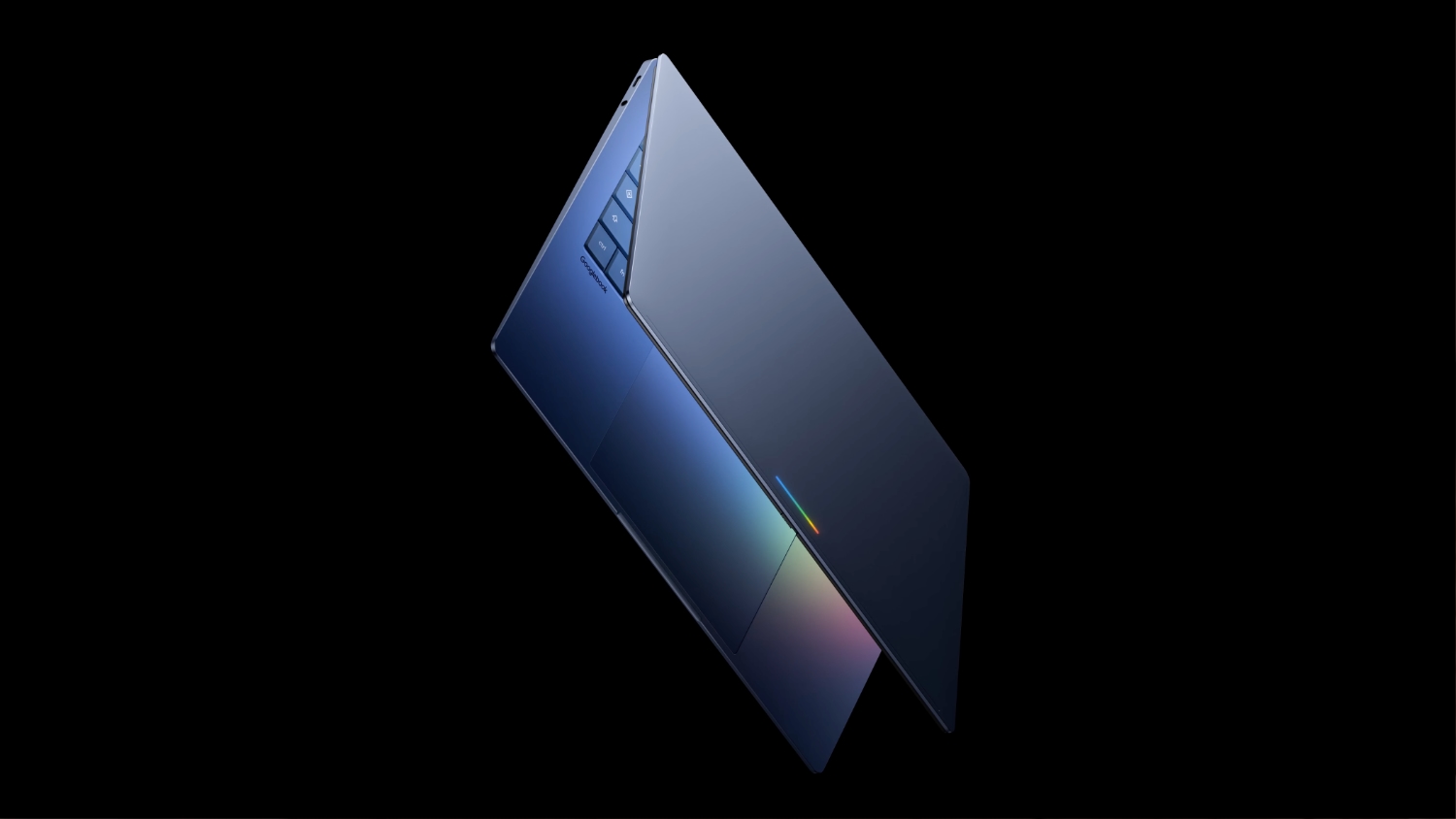
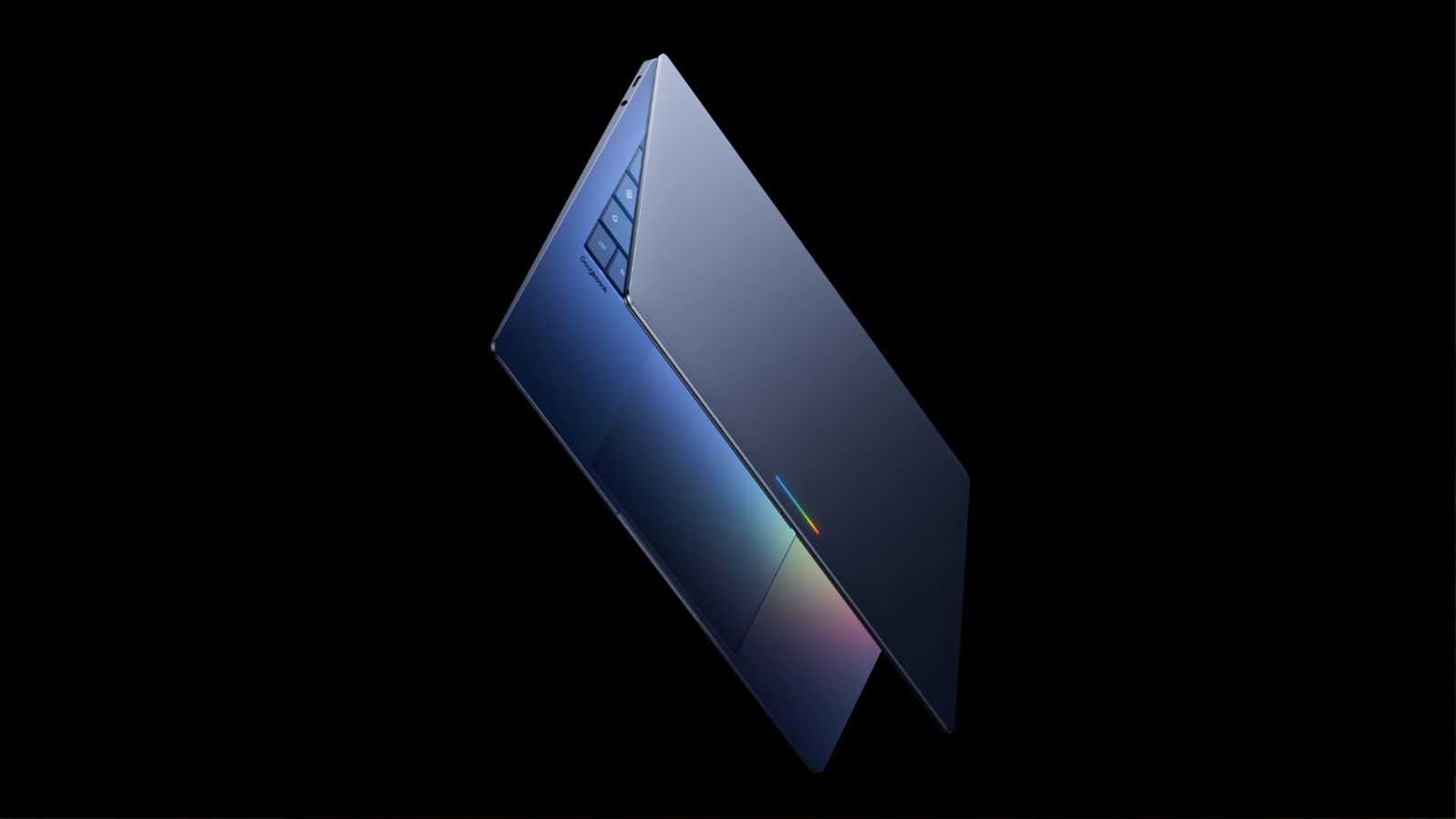
Google says it is partnering with Acer, ASUS, Dell, HP, and Lenovo to manufacture the first wave of laptops. Each unit will sport a distinctive “glowbar” on the lid to signal it’s a Googlebook.
“Premium craftsmanship and materials, coming in a variety of shapes and sizes,” a Google spokesperson said.
Magic Pointer and Key Features
The Magic Pointer is more than a cursor. By wiggling it, users summon Gemini for contextual help—whether analyzing text, comparing images, or combining data.
Another standout feature is Create My Widget, which lets users generate custom widgets via a Gemini prompt. The AI searches the web and connects with Google apps like Gmail and Calendar to build a personalized dashboard.
Because the Googlebook runs Android, switching between the laptop and an Android smartphone will be seamless. Apps from a connected phone will appear on the laptop, similar to Apple’s iPhone Mirroring. A Quick Access function enables viewing, searching, or inserting smartphone files without any transfer.
What This Means
The Googlebook enters a competitive laptop market dominated by Apple’s MacBook Neo and Windows-based AI PCs. By embedding Gemini directly into the hardware, Google aims to differentiate on intelligence rather than just specs.
“This is a bold move by Google to differentiate its hardware through AI integration,” said technology analyst Sarah Lin. “If the pricing and build quality match the premium narrative, it could carve out a niche among users who want a truly AI-first computer.”
However, the lack of pricing details raises questions. With Apple’s MacBook Neo already priced aggressively, Googlebook may need to offer compelling value or risk being seen as a luxury experiment.
Enterprise adoption may also be slow, as businesses typically favor established platforms. But for early adopters and developers eager to experiment with on-device AI, the Googlebook could be a powerful tool.
Google has not provided a timeline for the fall launch beyond “coming months.”
Tags: Android, Google, Laptop, AI, Gemini
Related Articles
- Critical 'Copy Fail' Linux Bug Grants Root Access to Any User – AI-Powered Discovery
- BRICKSTORM Malware Targets VMware vSphere: Critical Hardening Urged for Defenders
- 10 Critical Insights Into Google’s First AI-Crafted Zero-Day Exploit That Bypasses 2FA
- Copy Fail Exposed: A Comprehensive Guide to Mitigating the Critical Linux Kernel LPE (CVE-2026-31431)
- Understanding the 'Copy Fail' Linux Bug: Exploitation and Response
- How to Protect Your Exchange Server from the Critical Zero-Day XSS Vulnerability
- Active Malvertising Campaign Targets Mac Users Through Google Ads and Claude.ai
- From Zero-Day Flood to Defender Advantage: A Practical Guide to AI-Driven Browser Security Auditing