A Step-by-Step Guide to Tapping into NSW's $60 Million Community Renewable Energy Fund
Introduction
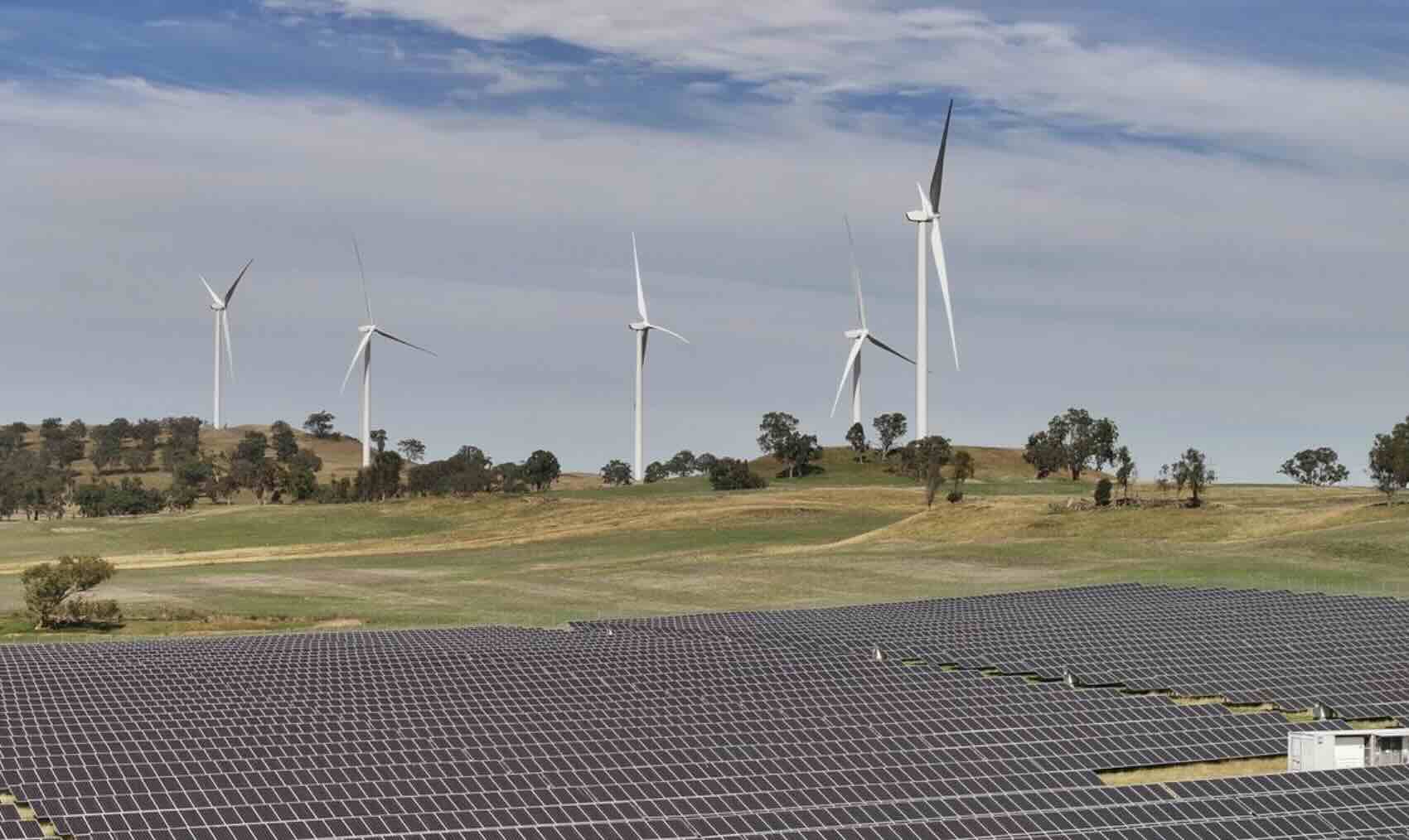
New South Wales has taken a proactive step by fast-tracking $60 million in community funds for local areas within its newly designated renewable energy zones. This unprecedented move aims to address community concerns well before the first transmission poles are erected, ensuring that residents see tangible benefits from the transition to clean energy. But how can your community actually access these funds and make the most of them? This guide walks you through the entire process, from understanding the initiative to submitting successful proposals and managing the money effectively.

What You Need
Before you begin, ensure your community has the following essentials in place:
- A local community group or representative body (e.g., residents' association, council committee)
- Basic understanding of your region's renewable energy zone (REZ) plans
- Access to local data on community needs (e.g., infrastructure gaps, environmental priorities)
- Contact details for the relevant NSW government agency (e.g., EnergyCo, Department of Planning)
- A volunteer coordinator or dedicated point person
- Basic project management skills (or willingness to learn)
Step-by-Step Process
Step 1: Identify Your Local Renewable Energy Zone
The first step is to confirm whether your community falls within one of NSW's designated renewable energy zones. These zones, such as the Central-West Orana or New England REZ, are where the government plans to build large-scale solar, wind, and transmission infrastructure. Check the official NSW REZ map or contact EnergyCo to determine your eligibility. Early engagement is key—even if construction is years away, the fund is available now to address potential concerns upfront.
Step 2: Form a Community Advisory Group
To effectively represent your community's interests, gather a diverse group of local stakeholders. This should include residents, small business owners, farmers, Indigenous representatives, and environmental advocates. The group will act as the official voice for the community in discussions with the government and developers. Ensure the group is inclusive and transparent from the start—this builds trust and strengthens your proposal.
Step 3: Establish a Community Benefits Agreement
Work with the state government and the project developers to create a community benefits agreement (CBA). This is a formal document that outlines how the $60 million fund will be distributed in your area. The agreement should specify the funding amount, eligible uses (e.g., local infrastructure, skills training, environmental projects), and a timeline for disbursement. The fact that NSW is fast-tracking these funds means you can negotiate for early payments—well before construction begins—to show immediate, tangible benefits.
Step 4: Prepare a Community Project Proposal
Now, work with your advisory group to identify specific projects that address local concerns and needs. Examples could include upgrading community halls, funding solar panels for schools, creating green spaces, or launching energy literacy programs. Your proposal must be detailed, realistic, and aligned with the CBA. Include cost estimates, timelines, outcomes, and how the project will help offset any disruptions from the REZ development. Submit this to the relevant NSW agency—remember, the goal is to demonstrate that your community is ready to use the funds effectively.
Step 5: Apply for Early Funding
Because the government has fast-tracked the money, you can apply for a portion of the fund before any infrastructure is built. This is a unique advantage—most community funds only become available after construction starts. Submit your application for an early disbursement to support initial projects like feasibility studies, community engagement events, or small-scale improvements. This shows the government that you are proactive and can deliver results quickly.
Step 6: Manage and Report Fund Usage
Once you receive the funds, set up a transparent management system. Assign a treasurer or financial committee to track spending, and commit to regular public reporting—quarterly updates are ideal. Use the reporting to demonstrate how the money is benefiting the community, which helps maintain trust and can unlock future tranches. Be sure to comply with any state auditing requirements.
Step 7: Build Long-Term Community Support
The ultimate goal of the $60 million fund is to secure community backing for the renewable energy zone. Use the early projects and visible benefits to shift public perception from skepticism to support. Host open houses, share success stories on social media, and involve local schools. When the transmission poles finally go up, residents will see the direct positive impact of the energy transition on their lives.
Tips for Success
- Start early. The faster your community organizes, the more likely you are to receive funding before construction begins.
- Collaborate with neighboring communities. Many REZ projects span multiple local government areas; pooling efforts can strengthen your proposal.
- Keep communication simple. Use plain language in your proposals and public updates to avoid alienating non-experts.
- Focus on tangible outcomes. Projects that people can see and use—like a new park or energy-efficient streetlights—are more persuasive than abstract studies.
- Leverage media attention. NSW's fast-track approach is newsworthy; use local news or social media to highlight your community’s proactive stance.
- Stay flexible. The renewable energy zone timeline may shift, so be prepared to adjust your project plans accordingly.
By following these steps, your community can not only secure a share of the $60 million fund but also turn potential conflict into a partnership for a cleaner energy future.
Related Articles
- Japanese Motorcycle Giants Rev Up for an Electric Future
- Volkswagen ID. Polo Pre-Orders Begin at $40,000: What to Expect and When the Budget Model Arrives
- How to Build a Full-Stack Dart App with GenUI and Firebase: A Step-by-Step Guide from Google Cloud Next 2026
- Sardinia's Renewable Energy Revolt: 210,000 Signatures Trigger Emergency Moratorium
- How to Automate Large-Scale Dataset Migrations Using Background Coding Agents and Fleet Management
- Energy Giant Rejects Bid to Pass Transmission Cost Overruns to Consumers
- Mastering Flutter and Dart Development with AI Skills: A Q&A Guide
- Neoen Activates One of Australia’s Largest Solar Farms; Giant Battery Phase in Pipeline