Volcanic Forecasting Breakthrough: Scientists Inch Closer to Predicting Eruptions Like Weather
Mount Pinatubo's cataclysmic 1991 eruption—which killed over 800 people, obliterated its summit, and left a 2.5-kilometer-wide caldera—could have been forecast days earlier using new monitoring techniques that scientists say are now within reach. Researchers have developed advanced models integrating seismic, gas, and ground-deformation data that promise to extend warning times from hours to weeks, potentially saving thousands of lives.
“We are moving from reactive to predictive volcanology,” said Dr. Elena Torres, a geophysicist at the International Volcanic Risk Center. “Within a decade, we may issue eruption likelihoods as routinely as weather forecasts.”
Background: From Pinatubo to Present
On June 12, 1991, Pinatubo began erupting after 500 years of dormancy. By June 15, explosions had collapsed the peak, sending pyroclastic flows—avalanches of molten rock and gas—across the landscape. Despite warnings, the scale caught experts off guard; the event became a stark reminder of forecasting gaps.
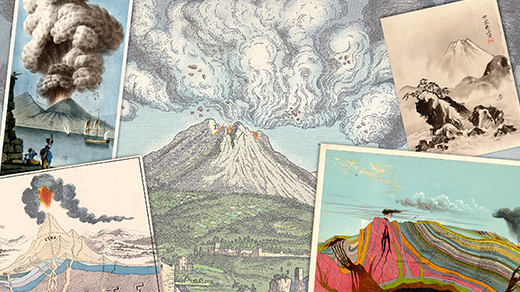
Since then, volcanologists have refined tools like satellite-based InSAR (Interferometric Synthetic Aperture Radar) and real-time gas sensors. Yet predicting exact eruption timing remained elusive—until recent machine-learning breakthroughs that analyze patterns from hundreds of past eruptions.
What This Means: A New Era of Volcanic Risk Management
If these techniques prove reliable, authorities could evacuate communities, reroute flights, and secure infrastructure days earlier. The 2010 eruption of Iceland’s Eyjafjallajökull, which stranded 10 million travelers, might have been mitigated.
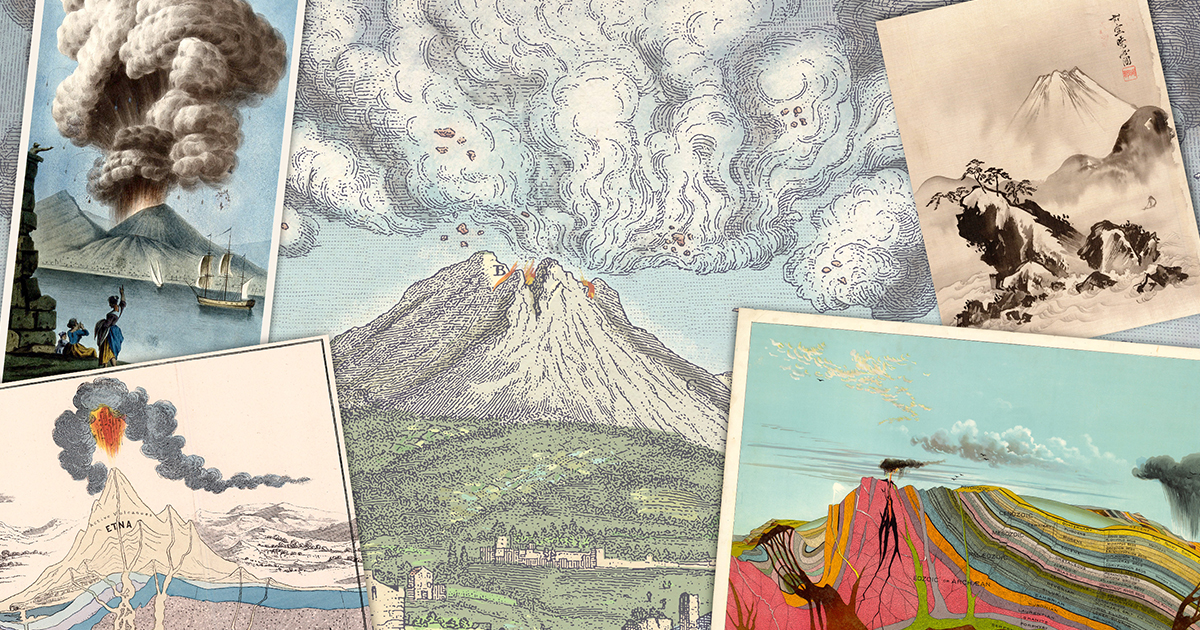
“Forecasting accuracy similar to weather systems transforms evacuation from a last-minute scramble to a measured response,” said Dr. Raj Patel, a hazard-communication specialist at the University of Cambridge. “It buys time—the most precious commodity in disaster management.”
Challenges remain: volcanoes behave differently, and no single model fits all. But the latest ensemble forecasting approach—combining multiple simulations—shows promise. Researchers are now testing it on high-risk volcanoes in Indonesia, the Philippines, and the United States.
Key developments include:
- Seismic pattern recognition: AI trained on precursory tremors can now distinguish magmatic movement from ordinary rock noise.
- Gas flux monitoring: Rapid increases in sulfur dioxide emissions often precede eruptions by days to weeks.
- Ground deformation alerts: Satellite data showing swelling at volcano flanks can trigger early warnings.
“Pinatubo taught us that even massive eruptions give subtle clues,” noted Torres. “We finally have the computational muscle to decode them.”
Internal Links
Related Articles
- Crafting Design Principles: A Step-by-Step Guide to Aligning Teams and Decisions
- 6 Essential Tips for Mastering GitHub Copilot CLI
- Hopper AI Agent Launches to Modernize Mainframe Development for Critical Infrastructure
- Building Intelligent Agents in .NET: The Microsoft Agent Framework
- Unlock Docker Everywhere: A Step-by-Step Guide to Using Docker Offload
- How to Set Up and Use Docker Offload for Seamless Container Development Anywhere
- 10 Essential Insights into Apache Camel Observability Services
- Massive Scaling Bottleneck Sinks Realtime AI Workflows: How One Company Rebuilt from 10M Events