NAS Owners Missing Out on Advanced Capabilities, Experts Say
Millions of Network Attached Storage (NAS) devices are being underutilized, functioning as little more than passive file repositories when they are capable of running complex applications, media servers, and even virtual machines. Security and efficiency experts warn that most users are unaware of their NAS's true potential.
"A NAS should be treated as a storage server, not just a storage machine," said Jonathan Reed, a systems architect with over 15 years in data management. "The hardware inside a modern NAS is often powerful enough to handle Docker containers, surveillance systems, and automated backups – yet the average owner never ventures beyond the basic file sharing."
See the background and what this means for your own setup.
Background
The confusion stems from common marketing that positions NAS as an easy plug-and-play device for backing up photos and documents. However, many mid-range and high-end models run on Linux or proprietary Unix-like systems, offering a full command-line interface and package managers.
According to recent surveys from storage forums, fewer than 30% of NAS owners have installed any third-party application on their device. The vast majority simply enable file shares and set up a single backup target, leaving advanced features like Plex Media Server, Nextcloud, or network-wide ad blocking untouched.
What This Means
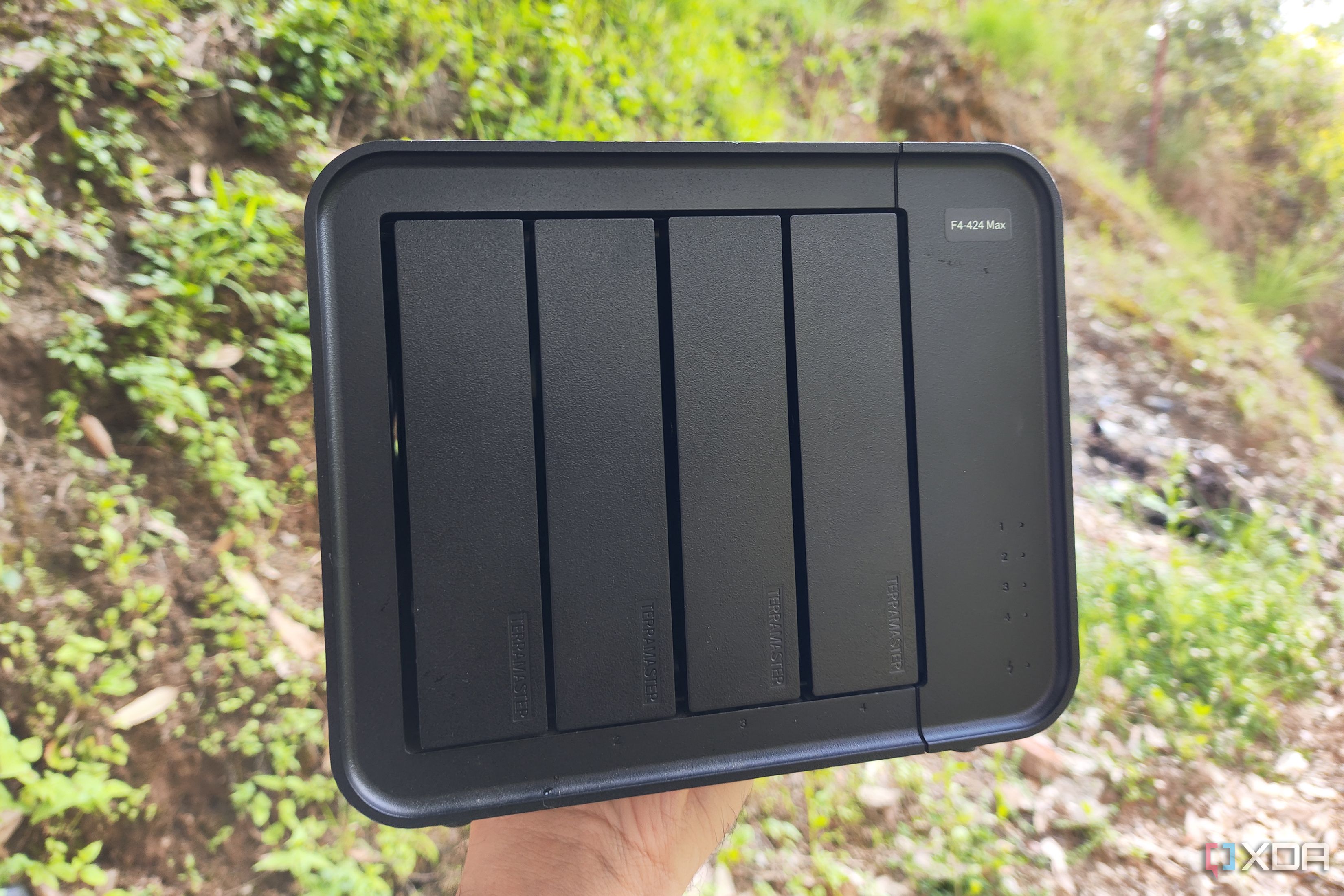
For home users, failing to explore these capabilities means paying for hardware that is grossly underutilized. A typical four-bay NAS can replace a separate home server for everything from music streaming to home automation, reducing overall energy consumption and equipment clutter.

For small businesses, the consequences are even greater. "Many SMBs buy a NAS expecting a simple file server, but they could be running their entire office VPN, firewall, and internal collaboration tools on the same device," noted Priya Sharma, an IT consultant specialising in small-scale infrastructure. "That's both a cost saving and a security opportunity – if they know how to leverage it."
Experts recommend that users start by exploring their NAS vendor’s official app store or package repository, then gradually experiment with Docker or virtual machine support. The key, says Reed, is to treat the NAS as a "purposeful server" rather than an "experimentation sandbox."
"The hardcore tinkering community often warns against turning a NAS into a hobbyist testbed, and I agree – but that doesn't mean you shouldn't use it for serious, stable services," Reed added. "Think of it as a police cruiser – it can do more than just patrol, but you don't hot-rod it."
As cloud subscription costs continue to rise, the value of maximizing on-premises hardware has never been higher. Understanding the full scope of what a NAS can do may soon be not just a tech-enthusiast pursuit, but a financial necessity.
Related Articles
- 10 Key Facts About XREAL's Project Aura Android XR Glasses Launching in 2026
- Buffering Nightmare on Fire TV? Expert Reveals Hidden Fix That Doesn't Require Faster Internet
- Kubernetes v1.36: Revolutionizing Workload-Aware Scheduling with PodGroup and Workload API Separation
- Reviving the American Dream: A Conversation on Democracy, Community, and Opportunity
- DeepSeek-Prover-V2: How AI Tackles Complex Math Proofs with Recursive Search and a New Benchmark
- Stack Overflow Founder Steps Down as CEO, Takes Sabbatical to Focus on Board Roles and New Ventures
- Ultrawide Monitor Mastery: Top Picks for Every Need in 2026
- Kubernetes v1.36 Refines Scheduling with Decoupled Workload and PodGroup APIs