The Jones Act Waiver Reveals the True State of American Shipbuilding
Introduction: A Small Waiver with Big Implications
The recent decision by the Trump administration to grant a Jones Act waiver for certain shipping operations might seem like a minor policy tweak. Yet this singular exception has cast a harsh light on a longstanding challenge: the growing gap between America's ambitions in maritime dominance and the actual capacity of its domestic shipbuilding industry. The waiver, intended to temporarily bypass restrictions on foreign vessels, underscores a paradox—an administration that champions rebuilding U.S. maritime power is forced to rely on foreign-built ships to meet immediate logistical needs.
What Is the Jones Act?
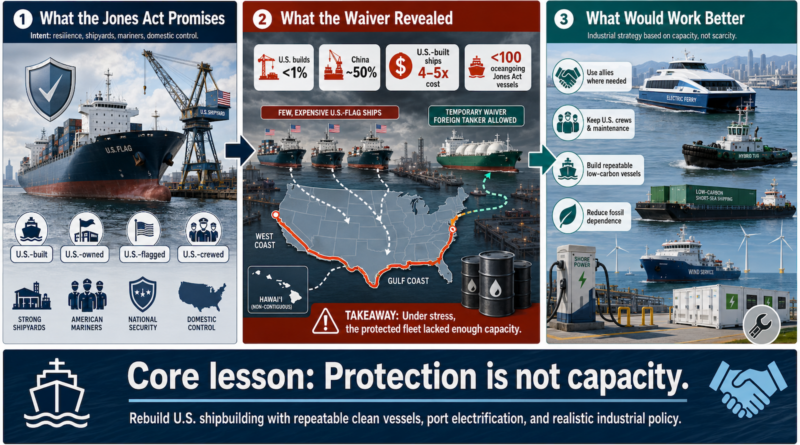
The Jones Act, formally the Merchant Marine Act of 1920, requires that goods transported between U.S. ports be carried on American-built, American-owned, and American-crewed vessels. This protectionist legislation was designed to support a robust domestic shipping industry and ensure national security by maintaining a ready fleet of ships and skilled mariners. However, the law has also been criticized for inflating costs and limiting competition. Waivers are occasionally issued for national security or emergency purposes, as seen during natural disasters or military operations.
The Waiver and Its Context
The waiver in question allowed foreign-built vessels to operate temporarily in domestic routes—something normally prohibited. While the administration cited operational necessity, the move highlighted a fundamental weakness: the U.S. maritime industry simply does not have enough modern, efficient vessels to meet both commercial and strategic demands. According to industry data, the number of active U.S.-flagged commercial ships has declined sharply over the past decade, and American shipyards produce only a fraction of the vessels needed to maintain a competitive fleet.
Why Was the Waiver Needed?
The waiver was granted to facilitate the delivery of goods for a specific project, but the underlying reason is systemic. U.S. shipbuilders have struggled to keep pace with global competitors, especially China, which now dominates commercial shipbuilding. Without a waiver, the project would have faced delays and higher costs—an outcome that contradicts the administration's declared goal of strengthening domestic supply chains.
America's Shipbuilding Gap: By the Numbers
To understand the magnitude of the problem, consider these figures:
- The U.S. currently builds fewer than 10 large commercial ships per year, compared to hundreds built in China.
- American shipyards focus primarily on naval vessels and specialized craft, leaving the commercial segment underserved.
- The average age of U.S.-flagged cargo ships is over 20 years, many of which are outdated and inefficient.
- Foreign-built ships are often faster, more fuel-efficient, and cheaper to operate, making them attractive for operators who can bypass Jones Act restrictions.
The Irony of Policy Goals
The Trump administration has repeatedly emphasized the need to restore American maritime dominance, counter China's industrial scale, and secure logistics. Yet the waiver exposes a disconnect between rhetoric and reality. By granting exceptions, the government tacitly admits that the domestic industry cannot meet current demand. This raises critical questions: Is the Jones Act itself hindering the growth it was meant to foster? Or does the systemic neglect of shipbuilding—decades of underinvestment, workforce shortages, and regulatory hurdles—require a broader solution?
Lessons for the Future
The waiver should serve as a wake-up call. It highlights the urgent need to modernize U.S. shipyards, train a new generation of shipbuilders, and create incentives for commercial vessel construction. Some experts argue for targeted reforms to the Jones Act, such as allowing more flexibility for foreign-built vessels that are ultimately owned by American companies. Others advocate for a national shipbuilding strategy similar to those in South Korea or Japan.
Possible Paths Forward
- Investment in yard modernization: Upgrading facilities to build larger, more efficient ships.
- Workforce development: Expanding apprenticeship programs and technical schools focused on maritime trades.
- Regulatory reform: Streamlining rules that slow down ship construction and repair.
- Tax incentives: Encouraging private investment in American vessel ownership.
Conclusion
The Jones Act waiver is a small policy exception, but it carries a much larger lesson. America's shipbuilding gap is not just an economic issue—it is a strategic vulnerability. If the United States truly wants to lead in maritime security and commerce, it must face this reality head-on. Without meaningful action, future waivers will become the rule, eroding the very protections the Jones Act was designed to uphold.
Related Articles
- Rugged Android Tablet with Integrated 1080p Projector: The Tank Pad Ultra Review
- Navigating Wind Farm Approvals: How National Security Reviews Can Derail Renewable Energy Projects
- Tesla Semi Port Pilot: MDB Transportation's Three-Week Test in Southern California
- Sardinia's Renewable Energy Revolt: 210,000 Signatures Force 18-Month Ban
- EU Weighs Methane Exemptions for Fossil Fuel Firms as Renewables Investment Surges
- Electric Trucks Now Outperform Diesel on Profitability, Says Janus Electric CEO
- The Slow but Steady Rise of Electric Fire Trucks Compared to Other Municipal EVs
- 10 Surprising Truths About the UK’s Electric Vehicle Mandate