Heathkit's Untold Story: New Documentary Explores Rise and Fall – and a Mysterious Reboot
Breaking: New Documentary Reveals the Complete History of Heathkit
A newly released documentary by Unseen History traces the entire arc of Heathkit—from its 1947 launch with surplus war parts to its quiet demise in 2012—and teases an uncertain reboot that has hobbyists buzzing.
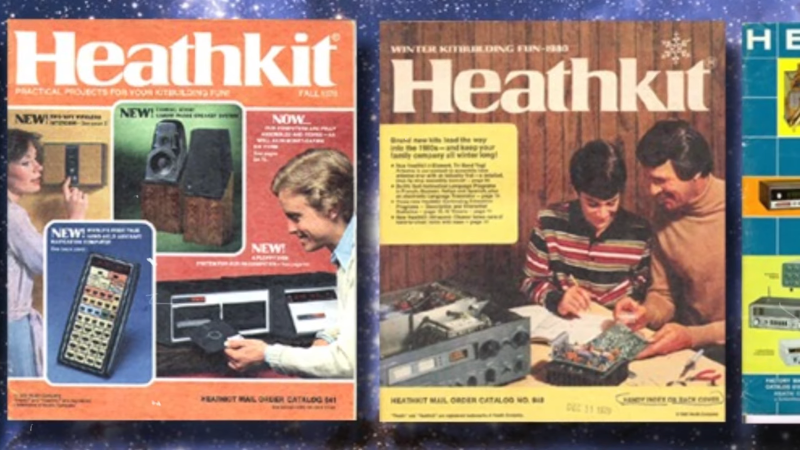
“Heathkit wasn’t just a kit company; it was a movement,” said Dr. Alan Cross, a historian of consumer electronics. “This documentary finally gives the story the attention it deserves.”
The film, released this week, draws on archival footage and interviews with former employees. It shows how Heathkit’s simple manuals and wide range of kits—from oscilloscopes to television sets—created a generation of do-it-yourself electronics enthusiasts.
Background: From Surplus to Stardom
Heathkit began by selling model airplanes but pivoted after World War II to electronic kits built from military surplus. In 1947, its first oscilloscope kit cost under $40—a fraction of the $400 price of a commercial model.
“That scope was a game-changer,” said Marie Zhao, author of Kit Culture. “It put professional-grade test equipment into the hands of amateurs, and the company never looked back.”
At its peak, Heathkit employed 1,800 people and offered hundreds of products, including ham radio gear, early personal computers, and radio-controlled airplanes. Every kit came with step-by-step instructions that explained not just assembly but the underlying electronics.
The Decline: When DIY Lost Its Luster
The company’s fortunes changed when Zenith bought Heathkit in the 1970s. “Zenith didn’t understand the kit business,” Cross noted. “And the rise of cheap, pre-built electronics made building at home seem obsolete.”
Interest in hobbyist electronics waned. Heathkit shifted to educational materials and home automation, but by 2012 only six employees remained—down from 1,800. The factory doors closed.
- 1970s: Acquisition by Zenith, loss of focus
- 1990s: Market shift to pre-assembled devices
- 2012: Last six workers let go
Whispers of a Reboot
In recent years, an entity called Heathkit has reappeared online, but details are scarce. The documentary leaves the question open: can the brand revive the DIY spirit in an age of soldered smartphones?
“We don’t have much information,” Zhao admitted, “but the fact that someone is trying suggests the desire to build hasn’t died.”
What This Means
The documentary reminds us that Heathkit’s legacy isn’t just nostalgia; it’s a lesson in community-driven innovation. Original Heathkit gear still commands high prices on the collectors’ market, a testament to its build quality and educational value.
For today’s maker movement, Heathkit represents a golden age when anyone could master electronics at home. Whether the reboot succeeds remains to be seen, but the story itself has already inspired a new generation.
“We lost something when Heathkit vanished,” Cross said. “But stories have power—and this one might just bring it back.”
Related Articles
- A Developer's Guide to Meta's Enhanced Secure Backup Infrastructure
- Copy Fail (CVE-2026-31431): A Comprehensive Guide to Understanding, Detecting, and Mitigating the Critical Linux Kernel LPE
- Ransomware Threats in 2026: Post-Quantum Encryption and EDR Evasion on the Rise
- Navigating the New Frontier: A Step-by-Step Guide to Understanding Anthropic’s Claude Mythos and Its Cybersecurity Impact
- Mastering Cyber Defense Speed: Automating Validation Against the 73-Second Threat
- 10 Critical Insights into Hypersonic Supply Chain Attacks and Next-Gen Defense
- Automation, Not AI, Seen as True Cybersecurity Game-Changer as Attackers Move at Machine Speed
- Linux Kernel Patches Partial Dirty Frag Vulnerability – Second Fix Still Pending