6 Critical Insights Into Trump's 'Negotiating Chip' Remark on Taiwan Arms Deal
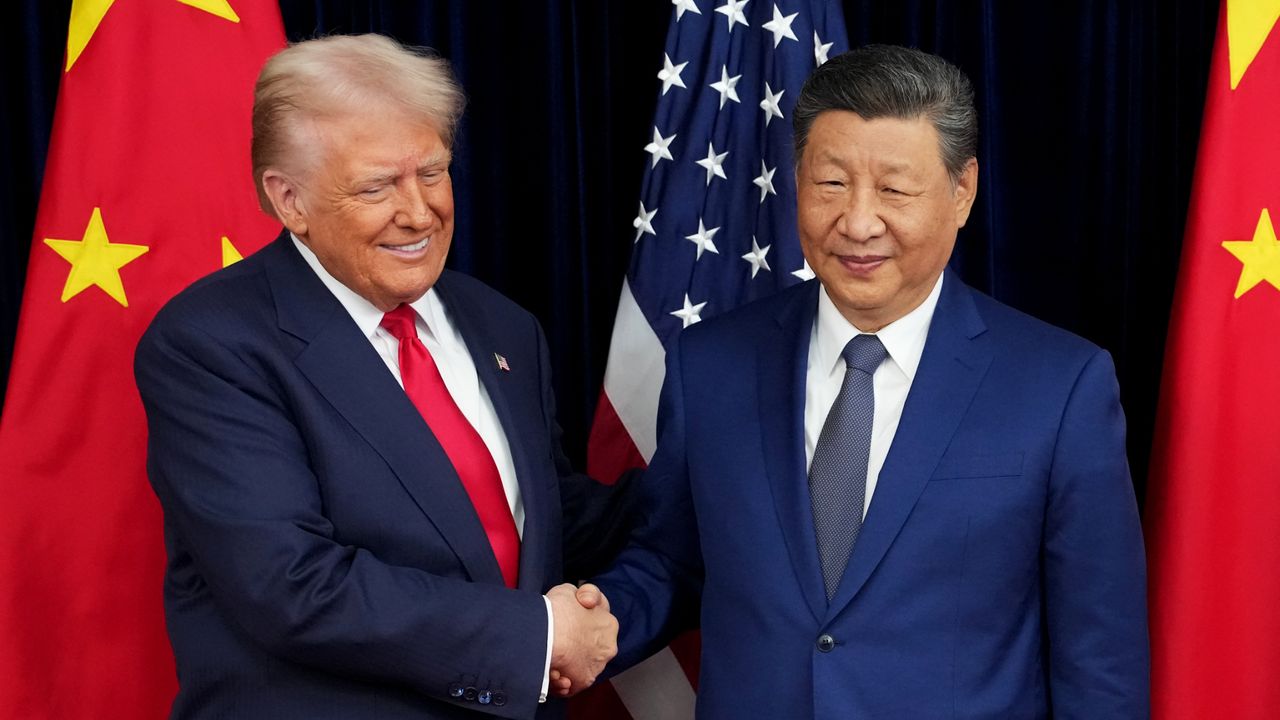
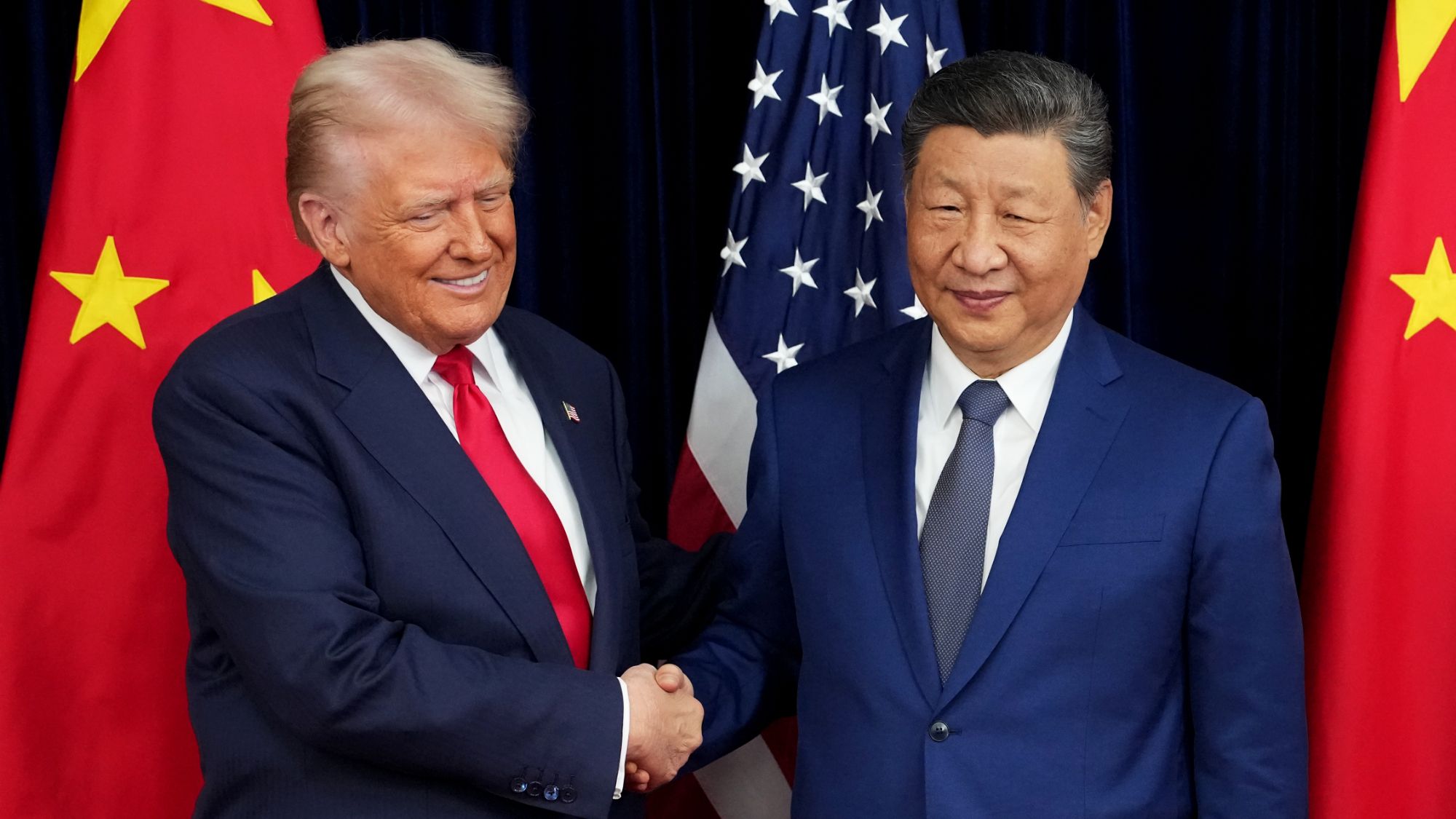
In a dramatic shift in diplomatic rhetoric, former President Donald Trump characterized a proposed $14 billion arms sale to Taiwan as a 'negotiating chip' to be used with China. This stance came directly after Chinese President Xi Jinping warned that the Taiwan issue could trigger 'clashes and even conflicts.' Trump’s advice to Taiwan to 'cool it a little bit' underscores the high-stakes geopolitical maneuvering surrounding the self-governing island. This article unpacks six key aspects of this unfolding story, providing a clear-eyed look at the motivations, risks, and broader implications.
1. The $14 Billion Arms Deal: A Strategic Lever
The proposed arms package, valued at $14 billion, represents one of the largest single transfers of American military hardware to Taiwan. It includes advanced fighter jets, missile systems, and naval equipment designed to bolster Taiwan's defensive capabilities against potential aggression from Beijing. Trump’s reference to this sale as a 'negotiating chip' suggests he views the deal not merely as a transaction but as a flexible tool in diplomatic bargains with China. Critics argue that treating arms sales as leverage undermines long-standing U.S. commitments under the Taiwan Relations Act, while supporters claim it creates a bargaining position that could yield concessions on trade or security.
2. Trump’s 'Negotiating Chip' Statement: What It Means
When Trump called the Taiwan arms deal a 'negotiating chip,' he signaled a transactional approach to foreign policy. Rather than seeing the sale as a moral obligation to defend a democracy, he framed it as a temporary asset to be traded for other gains, such as better trade terms or cooperation on North Korea. This perspective departs from traditional U.S. policy, which treats arms sales to Taiwan as semi-permanent measures to maintain a balance of power. The remark also aligns with Trump’s broader 'America First' doctrine, where all international engagements are measured by their direct benefit to the United States. Analysts warn that such language could encourage Beijing to test Washington’s resolve.
3. Xi Jinping’s Warning: 'Clashes and Even Conflicts'
Chinese President Xi Jinping’s statement that the Taiwan issue could lead to 'clashes and even conflicts' was a stark escalation in official rhetoric. It came during bilateral meetings where Xi emphasized China’s core interests, including territorial integrity. The warning is widely interpreted as a threat of military action if Taiwan moves toward formal independence or if the U.S. deepens its support. Xi’s phrasing deliberately echoes the language of the One China principle, which considers Taiwan a breakaway province. This hardline stance aims to deter both Taipei and Washington from actions that Beijing perceives as red-line violations. The timing—just before Trump’s arms deal remarks—highlighted the fragile state of cross-strait relations.
4. The Two‑Day Summit Context: US‑China Tensions
Trump and Xi’s two‑day summit was held against a backdrop of trade disputes, tech rivalry, and strategic competition. The Taiwan arms deal was one of several thorny topics on the agenda. Both leaders sought to establish a framework for managing disagreements without sliding into open confrontation. Trump’s 'negotiating chip' comment likely emerged from these closed-door sessions, reflecting a desire to keep the arms issue flexible. However, Xi’s warning suggests that China is unwilling to allow tactical horse‑trading on what it considers a sovereign matter. The summit ultimately produced no major breakthroughs, but it set the stage for ongoing negotiations where Taiwan will remain a central flashpoint.
5. Trump’s Advice to Taiwan: 'Cool It a Little Bit'
In an unusually direct message to Taipei, Trump advised Taiwan to 'cool it a little bit.' This statement can be read as a request for Taiwan to avoid provocative actions—such as moves toward formal independence—that could trigger Chinese retaliation and derail U.S.‑China negotiations. It also reflects Trump’s frustration with allies who he believes take advantage of American protection without contributing enough. For Taiwan, this advice generated both relief and anxiety: relief that a potential large‑scale conflict might be averted, and anxiety that the U.S. commitment to self‑defense could be contingent on Taiwan’s behavior. The remark effectively put the onus on Taiwan to manage its own rhetoric and actions.
6. Implications for Cross‑Strait Relations
The combination of Trump’s 'negotiating chip' language and Xi’s conflict warning creates a volatile mix for cross‑strait relations. On one hand, treating arms sales as temporary chips could embolden China to predict that U.S. support will waver, potentially encouraging more aggressive military posturing. On the other hand, Trump’s call for Taiwan to 'cool it' might temporarily reduce tensions if Taipei complies. Long‑term, the episode underscores that Taiwan’s security policy cannot rely solely on external guarantees; it must also build internal resilience. The international community will watch closely to see whether this transactional approach becomes a blueprint for future U.S. administrations or a cautionary tale about the perils of treating sovereignty as a bargaining tool.
Conclusion: Trump’s characterization of the $14 billion Taiwan arms deal as a 'negotiating chip,' juxtaposed with Xi Jinping’s warning of clashes and conflicts, illustrates the precarious nature of Taiwan’s position in U.S.‑China relations. By advising Taipei to 'cool it,' Trump signaled a willingness to trade long‑standing commitments for short‑term gains, while Xi made clear that any miscalculation could spark a military confrontation. These six insights reveal that the arms deal, far from being a straightforward sale, is a multi‑layered instrument of power—one that could either stabilize or destabilize the region depending on how it is wielded.
Related Articles
- The Site Search Struggle: Why Users Abandon Your Internal Search for Google
- Building a Stealth Browser Automation Workflow with CloakBrowser
- Revolutionizing Web Content: The Promise of a Universal Block Protocol
- A Practical How-To Guide: Using Simulation to Overcome Measurement Limitations in Power System Design
- Why the Command Line Endures: A Look at Modern Terminal Customization
- A New Standard for Web Blocks: The Block Protocol Explained
- The Block Protocol: A New Era of Interchangeable Web Blocks
- The Ethical Spectrum of AI Clones: From Consensual Use to Unauthorized Replication