The Case of Osama Khalid: A Wikipedia Editor Silenced for Free Expression
In this Q&A, we delve into the story of Osama Khalid, a young Saudi Wikipedian and open-source advocate who was detained for sharing information online. We explore his background, the legal ordeal he faces, and the ongoing campaign by the Electronic Frontier Foundation (EFF) and partners like ALQST to secure his release. This case highlights the global struggle for internet freedom and the arbitrary use of cybercrime laws to silence critics.
Who is Osama Khalid and what was his role in the online community?
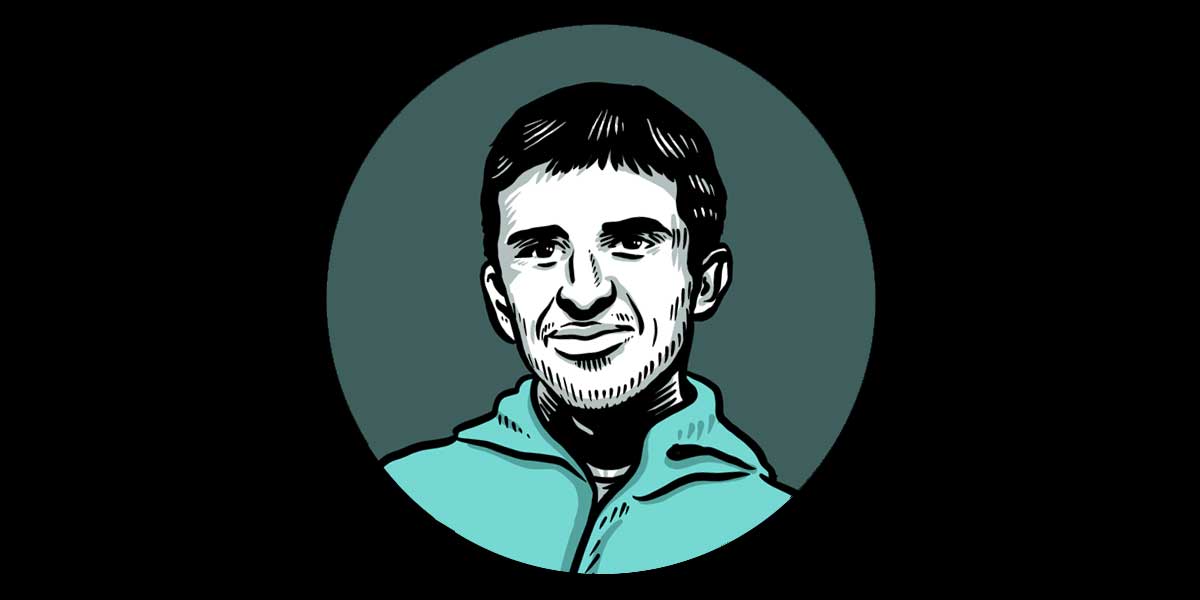
Osama Khalid began contributing to Arabic Wikipedia at age 12. During the blogging era, he became a prolific writer, sharing insights about Saudi society, tech meetups, and topics like open-source software and free expression. He advocated for internet freedom, translated projects such as EFF's HTTPS Everywhere, and attended international conferences—all while training to become a pediatrician. His Wikipedia entries covered crucial human rights issues in Saudi Arabia, including the treatment of activist Loujain al-Hathloul and conditions at al-Ha’ir prison. His now-removed blog also criticized government plans for encrypted-platform surveillance.
Why was Osama Khalid arrested and how has his sentence changed?
Osama was detained in July 2020 during a wave of arbitrary arrests by Saudi authorities amid the COVID-19 lockdown. Initially given a five-year prison sentence, it was later increased on appeal to 32 years, then reduced to 25 years in 2023, and again to 14 years in September 2024. As noted in a joint letter by human rights group ALQST, the wide fluctuations in sentencing underscore the arbitrary nature of Saudi judicial processes. Each revision came without transparent justification, reflecting a pattern of politically motivated punishment.
What was his alleged crime according to Saudi authorities?
The official charge was sharing information online that contradicted state narratives. Osama's Wikipedia contributions included pages on critical human rights issues, such as the case of women's rights activist Loujain al-Hathloul (an EFF client) and the notorious al-Ha’ir prison. His blog, now offline, contained an article criticizing government plans to surveil encrypted platforms. These actions were deemed crimes under vague cybercrime laws, though they amount to nothing more than exercising free expression—a right that should be protected, not punished.
How has the EFF supported similar cases in the past?
The EFF has campaigned for many individuals imprisoned for their speech, including Swedish software developer Ola Bini, targeted by Ecuador for seven years, and Egyptian-British activist Alaa Abd El Fattah. These campaigns demonstrate that attacks on free expression often transcend borders. Governments worldwide use broad cybercrime laws, national security claims, and political prosecutions to silence technologists, journalists, and activists. The EFF’s Offline project highlights these cases to defend the principle that coding, sharing ideas, and criticizing governments should never be a crime.

What is the goal of the current offline campaign for Osama Khalid?
The campaign aims to apply public pressure and foster international solidarity to shift the political cost of repression for Saudi authorities. Working with partners like ALQST, the EFF continues legal advocacy and awareness efforts to secure Osama’s release. The goal is not just to free one individual but to defend the broader rights of human rights defenders, bloggers, and open-source contributors worldwide. Sustained campaigning and visible support can create meaningful protections for those targeted.
Why is the outcome of Osama’s case significant for internet freedom globally?
Osama’s case illustrates how governments exploit vague cybercrime laws to silence critics. If left unchallenged, such tactics set dangerous precedents that threaten anyone who shares information online—journalists, activists, or everyday users. By rallying for Osama, the EFF and its partners reaffirm that writing code, translating tools, and discussing human rights are legitimate, non-criminal activities. A positive outcome would send a message that arbitrary detention and excessive sentencing for digital speech will not be tolerated, reinforcing the global fight for a free and open internet.
Related Articles
- React Native 0.83: A Major Leap with React 19.2, Enhanced DevTools, and Seamless Upgrades
- How Flight Recorder in Go 1.25
- The Trump Mobile T1: A Year of Delays and $59 Million in Deposits
- How to Master Data Orchestration for AI: A Step-by-Step Guide Inspired by Dell's AI Factory
- Pebble Time 2 Revived with Touchscreen Apps, Pixel 11 Entry Model May Feature Less RAM
- How to Recognize Why Insurance Grounds the Flying Taxi Dream
- The Astonishing Evolution of Bird Vision: Extreme Adaptations
- The Enduring Wisdom of Brooks' Law: A Guide to Avoiding the Mythical Man-Month Trap