How Kevin Warsh Can Preserve Federal Reserve Independence: A Step-by-Step Guide
Introduction
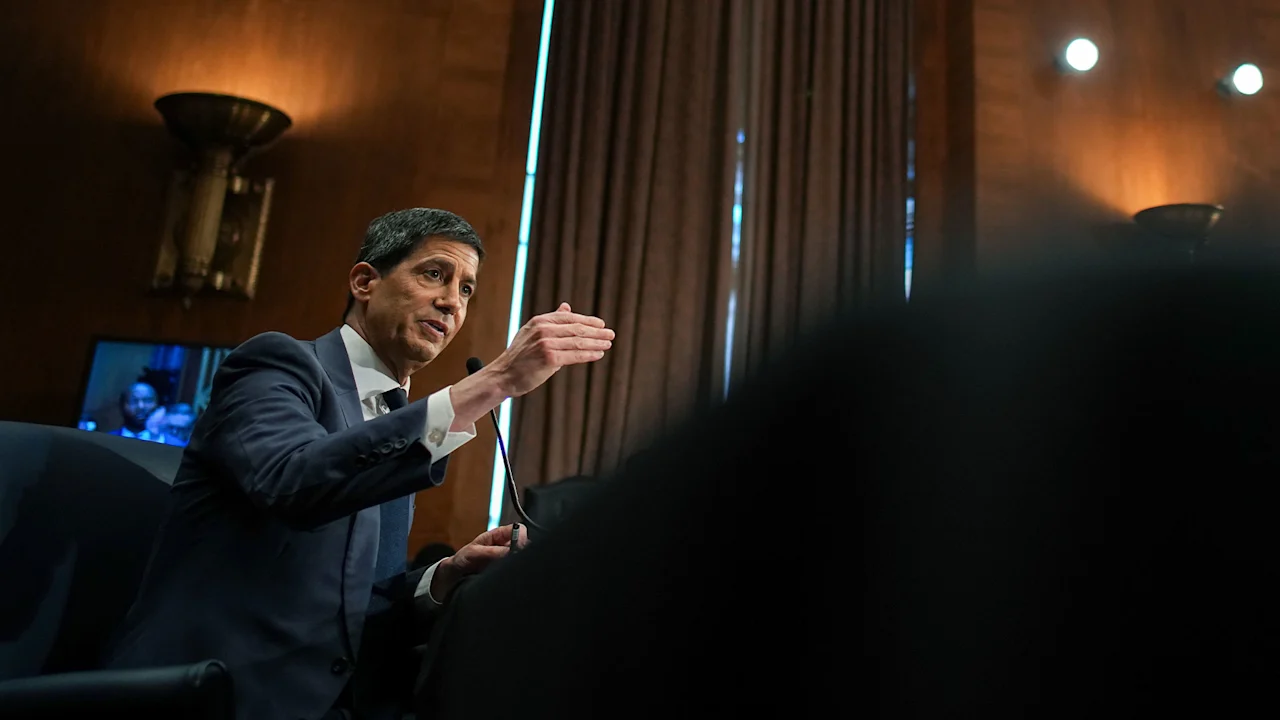
Kevin Warsh, the likely next Federal Reserve chair, faces a pivotal challenge: preserving the central bank's independence while navigating intense political pressure—especially from President Donald Trump, who has repeatedly demanded rate cuts. Warsh's past as an inflation hawk, his deep ties to Wall Street, and his recent shift toward supporting easier monetary policy have raised questions about his credibility. Yet, paradoxically, his finance background may actually reinforce his independence. This step-by-step guide outlines how Warsh can leverage his unique profile to protect the Fed's autonomy and uphold its dual mandate of price stability and maximum employment.
What You Need
- Senate confirmation and bipartisan support
- Comprehensive ethics divestiture plan
- Deep understanding of financial markets and central banking
- Clear communication strategy for policy decisions
- Institutional commitment to data-driven policymaking
- Ability to resist short-term political demands
Step-by-Step Roadmap
Step 1: Secure Senate Confirmation with Credibility
Warsh must address the blunt question posed by Senator John Kennedy: “Are you going to be the president’s human sock puppet?” To preserve independence, he should articulate a consistent inflation philosophy during his hearing. He can acknowledge his earlier hawkish stance (advocating for interest rate hikes to curb inflation) and explain how it aligns with the Fed’s long-run goals. He should also clarify his support for current rate cuts as tactical, not political. By showing that his policy leanings evolve based on economic conditions—not presidential whims—he builds trust with lawmakers.
Step 2: Divest Assets and Manage Conflicts
Democratic Senator Elizabeth Warren has flagged potential conflicts due to Warsh’s undisclosed assets. To maintain independence, Warsh must fully divest from financial holdings and follow all ethics watchdogs’ agreements. Transparency is crucial: any hint of bias toward Wall Street would undermine his credibility. He should publicly commit to recusing himself from any decision affecting his former employers, Morgan Stanley and Duquesne Capital. This step eliminates the perception that his policy choices serve personal financial interests.
Step 3: Recognize Wall Street’s Conservative Inflation Preferences
The financial sector historically favors hawkish Fed policies because higher interest rates support bank profits and stock prices, while lowering inflation risks. Warsh’s career in investment banking and hedge funds immersed him in this culture. By understanding that Wall Street prefers lower inflation—even at the cost of some job growth—he can align his policies with the Fed’s mandate without appearing politically subservient. This insight helps him resist pressure for excessive rate cuts that could reignite inflation.
Step 4: Use Financial Expertise to Reinforce Hawkish Leaning
During his previous stint as a Fed governor after the 2008 crisis, Warsh’s comments reflected a conservative outlook on inflation. His finance background can actually reinforce his hawkish tendencies, making him more likely to raise rates when needed—even if Trump wants cuts. Warsh should emphasize that stable prices are the bedrock of long-term economic growth, and his experience evaluating risk in private markets gives him a unique perspective on when to tighten. This independence from political cycles strengthens the Fed’s credibility.
Step 5: Resist Presidential Pressure Through Institutional Commitment
Warsh must demonstrate that his decisions are driven by economic data, not White House tweets. The Fed’s $6.7 trillion balance sheet and its control over short-term interest rates affect everything from mortgage rates to grocery prices. He should follow communication best practices—explaining rate moves in terms of the dual mandate. When Trump pushes for cuts, Warsh can cite inflation forecasts or labor market data that justify holding rates steady. Past chairs like Paul Volcker and Alan Greenspan faced similar pressure and maintained independence through transparency and intellectual consistency.
Step 6: Manage the Fed’s Balance Sheet with Caution
Warsh earlier opposed novel crisis management authorities the Fed gained after 2008, but he now oversees a massive balance sheet of government bonds. To preserve independence, he should scale back unconventional tools during normal times and rely more on interest rate policy. A gradual reduction of bond holdings signals that the Fed is returning to a pre-crisis conservative stance. This move also reduces the risk of political interference because monetary policy becomes simpler and more predictable.
Step 7: Communicate Clearly to Maintain Public Trust
Finally, Warsh must articulate a clear narrative about the Fed’s independence. He should hold regular press conferences, release detailed meeting minutes, and emphasize that the Fed answers to Congress—not to the president. By educating the public on why an independent central bank is vital for controlling inflation and stabilizing the economy, he builds a constituency that supports his decisions over political pressure.
Tips for Success
- Stay data-driven: Always base rate decisions on inflation and employment numbers, not political timelines.
- Build bipartisan relationships: Cultivate alliances with senators from both parties to shield the Fed from partisan attacks.
- Anticipate conflicts: Proactively disclose any potential conflicts of interest and recuse yourself as needed.
- Embrace gradual policy changes: Avoid sudden shifts that markets might interpret as politically motivated.
- Leverage your network: Use understanding of Wall Street’s preferences to fortify your hawkish credibility.
By following these steps, Kevin Warsh can transform skepticism about his ties to finance into a foundation for true independence—ensuring the Federal Reserve remains a trusted steward of the U.S. economy.
Related Articles
- Navigating Regulatory Waters: The Push to Oversee Hyperliquid and What It Means for Crypto Exchanges
- Bridging the AI Accountability Gap: Why Strategy Ownership Doesn't Always Match Decision-Making
- Palantir Stock Plunges After Strong Earnings: 7 Key Questions Answered
- Cerebras IPO: A $100 Billion AI Chip Giant Emerges – Your Questions Answered
- 10 Essential Steps for Operationalizing Responsible AI in Your Enterprise
- 5 Core Principles for Creating Financial Products Users Love and Keep
- Navigating Sanctions: How Iran's Nobitex Exchange Maintains Operations Without OFAC Blacklisting
- How AI Agents Amplify Human Expertise in Supplier Management