Revolutionizing Recycling: Sennebogen's Electric Autonomous Material Handler
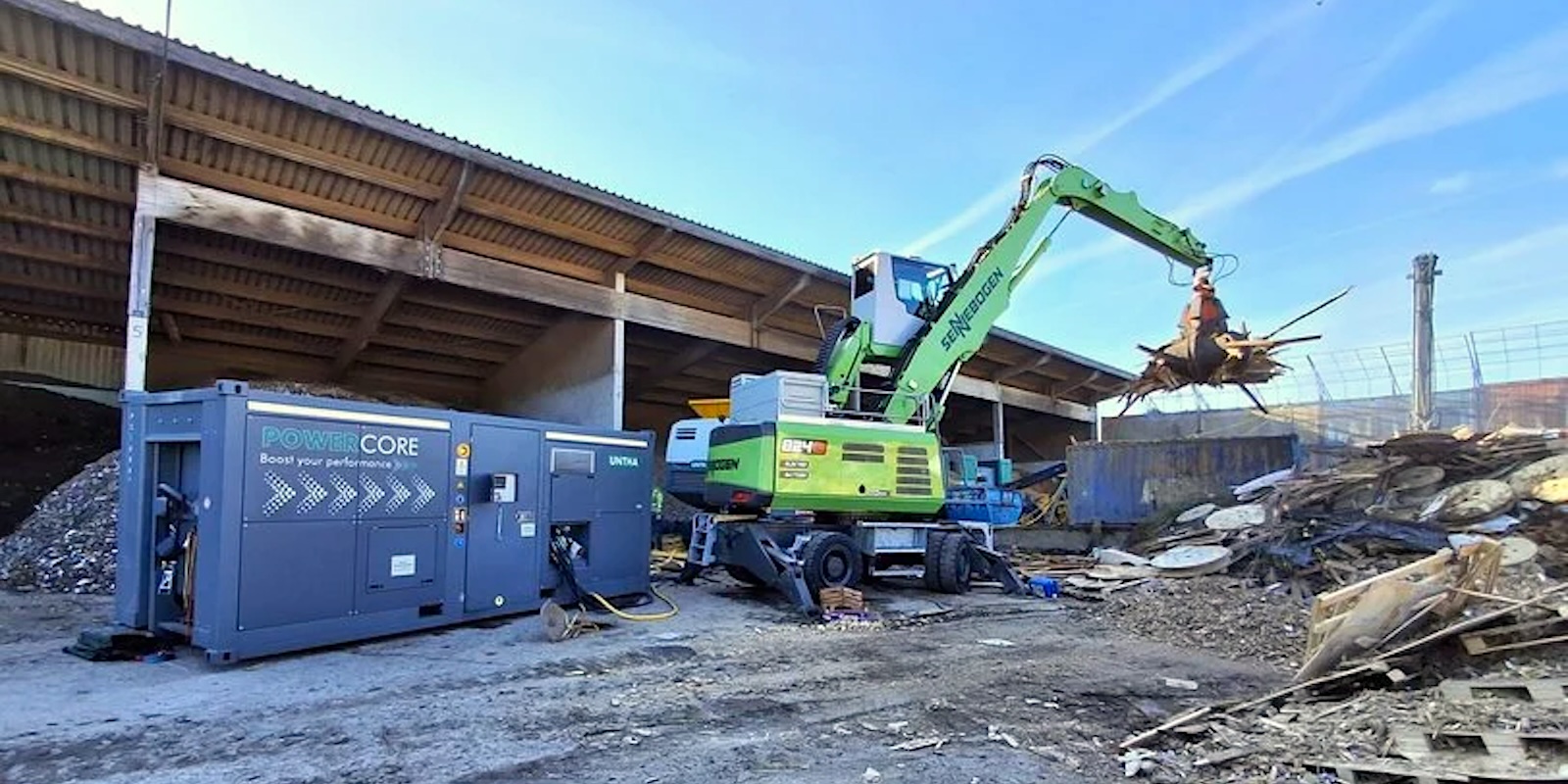
Sennebogen, a renowned German equipment manufacturer, recently unveiled a cutting-edge semi-autonomous material handling system designed to enhance throughput and operational efficiency in European recycling plants. This innovative solution integrates an electric wheeled excavator, a mobile battery unit, and a mobile shredder, showcasing a leap toward sustainable and automated waste processing. Below, we explore key questions about this technology.
What does Sennebogen's new material handling solution consist of?
The system comprises three main components: an electric wheeled excavator, a mobile battery pack, and a mobile shredder. The excavator operates on electric power, reducing emissions and noise, while the mobile battery provides flexible energy storage and supply, enabling operation away from fixed power sources. The mobile shredder processes materials on-site, eliminating the need for transport to off-site facilities. This combination creates a self-contained, efficient loop for recycling yards, allowing continuous material handling without downtime for refueling or connection to grid power.
How does the system improve throughput and efficiency in recycling plants?
By integrating all components into a synchronized workflow, the solution minimizes delays between material collection, processing, and disposal. The electric excavator can load directly into the mobile shredder, which processes waste immediately, reducing handling steps. The semi-autonomous operation allows the excavator to perform repetitive tasks with minimal human intervention, increasing speed and consistency. Additionally, the mobile battery ensures uninterrupted power, even during peak demand, while the electric drivetrain delivers instant torque and smooth control, boosting cycle times. This translates to higher tonnage processed per hour and lower operational costs.
What level of autonomy does the material handler offer?
The system is described as semi-autonomous. This means it can perform pre-programmed material handling tasks—such as picking, sorting, and feeding the shredder—without continuous operator input. However, human oversight remains for complex decisions, safety monitoring, and intervention when needed. The autonomy likely relies on sensors, cameras, and machine learning to recognize material types and adjust movements. This balance reduces operator fatigue and labor costs while retaining flexibility for unpredictable recycling environments.
Why is an electric wheeled excavator used instead of a diesel model?
An electric powertrain offers several advantages for recycling plants: zero tailpipe emissions improve air quality indoors or in confined spaces; lower noise levels allow operation at night or near residential areas; and reduced maintenance costs (no oil changes, fuel filters) enhance long-term profitability. The wheeled design provides mobility within the plant yard, enabling the excavator to move between loading zones and the mobile shredder without the need for transport trailers. This mobility, combined with the mobile battery, allows relocating the entire system to different sites quickly.

What role does the mobile battery play in this solution?
The mobile battery serves as a portable power station, storing energy from the grid or renewable sources. It charges the excavator and can also power the shredder, eliminating the need for separate fuel supplies or extensive electrical infrastructure. This flexibility is crucial for European recycling plants that may operate in temporary locations or face grid capacity limits. The battery can be recharged during downtime intervals, ensuring continuous operation. Its mobility allows the entire setup to be deployed rapidly at different sites, supporting seasonal or project-based recycling campaigns.
Where is this system intended to be used, and what are the expected benefits?
Sennebogen's solution targets European recycling plants, especially those handling mixed waste, construction debris, or scrap metal. By streamlining material flow and reducing reliance on diesel, the system helps facilities meet stricter EU environmental and noise regulations. Expected benefits include up to 30% higher throughput, 50% lower energy costs compared to diesel, and improved worker safety through automation. The demonstration likely showed how the system can operate round-the-clock with minimal downtime, significantly boosting the plant's overall efficiency and sustainability profile.
How does this innovation align with broader trends in construction and recycling?
The move toward electric and autonomous machines reflects industry-wide shifts toward decarbonization and digitalization. Many manufacturers are developing battery-powered excavators and loaders to reduce CO2 emissions. Combining them with autonomous controls and mobile energy storage creates a self-sufficient ecosystem that can be adapted to various sites. For recycling, this means less fossil fuel consumption, lower noise pollution, and optimized workflows. Sennebogen's solution is a practical example of how electrification and automation can be integrated into a single package, paving the way for smarter, greener waste processing.
Related Articles
- Unveiling Solar Mysteries: How Radio Bursts Reveal Magnetic Switchbacks Near the Sun
- How to Maximize Flutter and Dart at Google Cloud Next: A Step-by-Step Guide
- Why Are Chinese Companies Pulling Billions From US Markets?
- Breaking: Google Cloud Next 2026 Unveils Full-Stack Dart and AI-Powered Flutter Demos
- Your Guide to Downloading and Using the May 2026 Wallpaper Collection
- How Toyota's Tahara Plant Achieved Carbon Neutrality: A Step-by-Step Guide
- Melbourne Energy Storage Firm Acquires 'Shovel-Ready' Battery Project at Key State Border Site
- How Software Changes Can Slash AI's Energy Use Without Upgrading Hardware