10 Key Insights Into America's Surging Gas Prices: A 56% Jump Explained
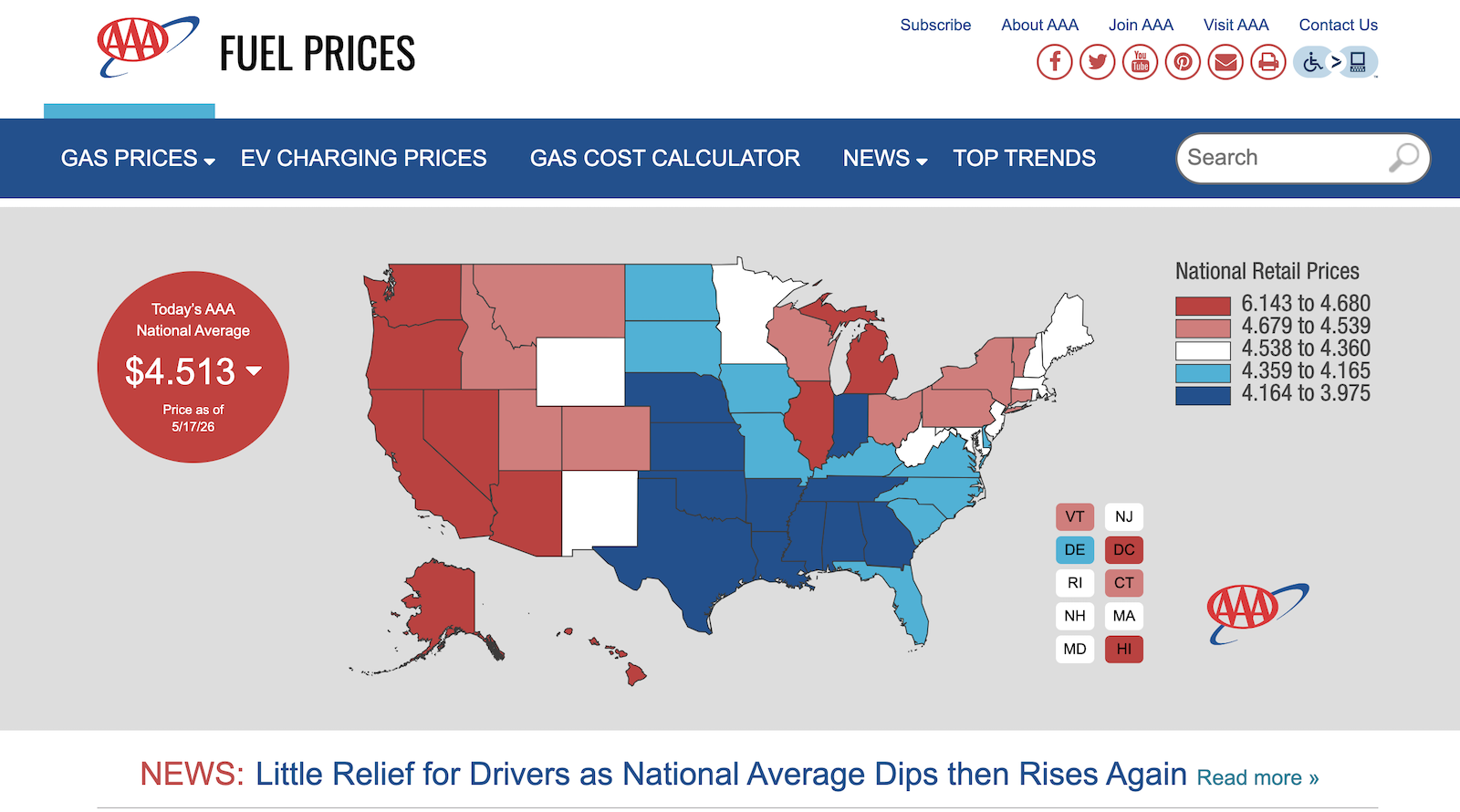
The past few months have seen American drivers endure a shocking surge at the pump. Since late February, the national average price of gasoline has skyrocketed by 56%, leaping from $2.89 per gallon to an eye-watering $4.517. This dramatic increase has left many wondering what caused it, how long it might last, and what it means for their wallets and the broader economy. In this listicle, we break down the ten most important things you need to know about this unprecedented price hike.
1. The Trigger: Military Action in Iran
The steep climb in gas prices began shortly after the United States launched airstrikes on Iran in late February. This aggressive move sent shockwaves through global oil markets, as investors feared supply disruptions from one of the world's key oil-producing regions. The immediate reaction was a spike in crude oil prices, which quickly translated into higher costs at the pump for American consumers.
2. The Magnitude: A 56% Increase in Just Weeks
In early March, the average price of regular gasoline in the U.S. had already risen from $2.89 to $3.48 per gallon—a 20% jump. But the pain didn't stop there. By the time the dust settled, the national average hit $4.517 per gallon, marking a staggering 56% increase from the pre-bombing level. This is one of the most rapid price escalations in recent memory.
3. The Timeline: From February to Now
The price surge was not gradual but came in distinct waves. The initial strike in late February caused an immediate spike. Throughout March, prices continued to climb as geopolitical tensions remained high. By early April, the average had nearly doubled in percentage terms from the start of the year. The entire journey from $2.89 to $4.517 took less than two months.
4. Impact on the Average Driver
For the typical American household, this price hike translates to an additional expense of roughly $200 to $300 per month on gasoline alone, assuming a 12-gallon fill-up once a week. That's a significant blow to monthly budgets, especially for families already struggling with inflation. Commuters, delivery drivers, and those in rural areas with long drives are feeling the squeeze most acutely.
5. Why Oil Prices React So Strongly to Geopolitics
The oil market is incredibly sensitive to geopolitical events, especially those involving major producers like Iran. When the U.S. bombed Iran, traders priced in a risk premium—expecting potential supply cuts or disruptions in the Strait of Hormuz, a vital chokepoint for global oil shipments. This fear, rather than an actual shortage, drove up crude prices and consequently gasoline prices.
6. No Immediate Relief in Sight
Experts warn that prices may not drop anytime soon. If tensions with Iran remain high or escalate, oil prices could stay elevated. Even if diplomacy resumes, it takes weeks for reduced crude prices to show up at the pump. Additionally, the summer driving season typically increases demand, which could push prices even higher. The current trajectory suggests we may see $5 per gallon in some areas before a plateau.
7. Historical Context: How This Compares to Past Price Shocks
The last time gas prices rose this quickly was during the 2008 financial crisis, when prices spiked to over $4 per gallon due to speculation and strong demand. That spike, however, was not triggered by a single military event. The 56% increase we're now seeing is comparable in speed and severity to the 1990 oil price shock following Iraq's invasion of Kuwait, but it happened in a much shorter time frame.
8. Regional Disparities at the Pump
While the national average is $4.517, regional differences are stark. West Coast states like California and Oregon often pay $0.50 to $1.00 more per gallon due to stricter environmental regulations and higher taxes. Meanwhile, Gulf Coast states like Texas and Louisiana have slightly lower prices thanks to proximity to refineries. The 56% increase percentage-wise, however, applies broadly across all regions.
9. Broader Economic Consequences
Higher gas prices ripple through the entire economy. Transportation costs rise, which means the price of groceries, consumer goods, and services also increases. This contributes to overall inflation, eroding purchasing power. Small businesses, especially those dependent on shipping or vehicle fleets, face shrinking profit margins. Some economists worry that sustained high fuel costs could tip the U.S. into a recession.
10. What Consumers Can Do Now
While drivers can't control world events, they can adapt. Strategies include consolidating trips, using public transportation where available, carpooling, keeping tires properly inflated to improve fuel economy, and considering a more fuel-efficient vehicle. Additionally, using gas price comparison apps can help find the cheapest stations nearby. Some states are also considering temporary gas tax holidays to provide relief.
The 56% surge in U.S. gas prices is a stark reminder of how quickly geopolitical events can impact daily life. From the initial bombing of Iran to the ongoing economic fallout, the situation remains fluid. While no immediate relief is guaranteed, understanding the forces at play can help consumers navigate these turbulent times. Stay informed, plan ahead, and take small steps to ease the burden at the pump.
Related Articles
- Reducing Methane Emissions from Rice Cultivation: A Practical Guide for Farmers and Researchers
- 10 Key Facts About Electric Fire Trucks – and Why They’re Slower to Adopt Than Buses, Garbage Trucks, and Drayage Fleets
- Empowering Flutter and Dart Development with Specialized AI Skills
- How Fortescue’s All-Renewable Grid Defied a Transmission Blackout
- How V8 Supercharges WebAssembly with Speculative Inlining and Deoptimization
- How to Stay on Top of Electric Vehicle Industry News: A Step-by-Step Guide to Understanding Key Developments
- 6 Compelling Reasons to Choose the Tesla Model Y L Over Competitors
- Vanadium Flow Battery Milestone: Europe’s Largest System Deployed in East Sussex