Rollback Netcode Comes to Nintendo 64 Emulation: Everything You Need to Know About RMG-K
Emulating classic Nintendo 64 games online has always been a challenge—lag and desyncs often ruin the fun of fast-paced multiplayer titles like Super Smash Bros. or GoldenEye 007. But a recent update to the RMG-K emulator fork changes the game entirely by introducing rollback netcode across the entire N64 library. This breakthrough promises near-local responsiveness, even across continents. Below, we answer the most pressing questions about this development, the technology behind it, and the controversy surrounding the fork's use of AI assistance.
What exactly is RMG-K and what did its May 14 update add?
RMG-K is a community fork of the well-known RMG Nintendo 64 emulator. On May 14, 2026, developers released a major update that integrated rollback netcode across the entire emulator library. The feature, currently limited to two-player sessions, aims to eliminate the traditional lag that plagues online play for fast-twitch N64 games. The update uses the GekkoNet framework to achieve smooth synchronization, making it possible for players with high ping to enjoy near-local responsiveness. Programmer NyxTheShield, who contributed to the rollback implementation, described the process as remarkably straightforward, noting that GekkoNet carried most of the workload.
How does rollback netcode differ from delay-based netcode?
Rollback netcode is a modern online multiplayer technology that maintains responsiveness by predicting player inputs. Instead of waiting for both parties to catch up before registering button presses (as delay-based netcode does), rollback guesses what the player will do next and immediately displays the result. If the guess is wrong, it “rolls back” and corrects the state, but the effect is often imperceptible. This makes fast-paced games like fighting games and shooters feel almost as tight as local play, even on unreliable connections. Delay-based netcode, by contrast, introduces noticeable input lag that can make competitive play frustrating.
What framework powers rollback in RMG-K and why was it easy to implement?
The rollback functionality in RMG-K relies on the GekkoNet framework, created by developer Heat. GekkoNet is a reusable netcode library that handles the complex prediction and synchronization tasks, allowing emulator developers to add rollback with minimal effort. NyxTheShield, a coder on the RMG-K team, explained on social media that GekkoNet “did most of the lifting” and that adding rollback “was honestly not that hard.” The same framework is also being used in a fan project to port the PlayStation 2 version of Street Fighter 3: 3rd Strike natively to PC, demonstrating its versatility. For many coders, leveraging such libraries simplifies what would otherwise be a monumental undertaking.
Can you show me some real-world performance examples of RMG-K's rollback?
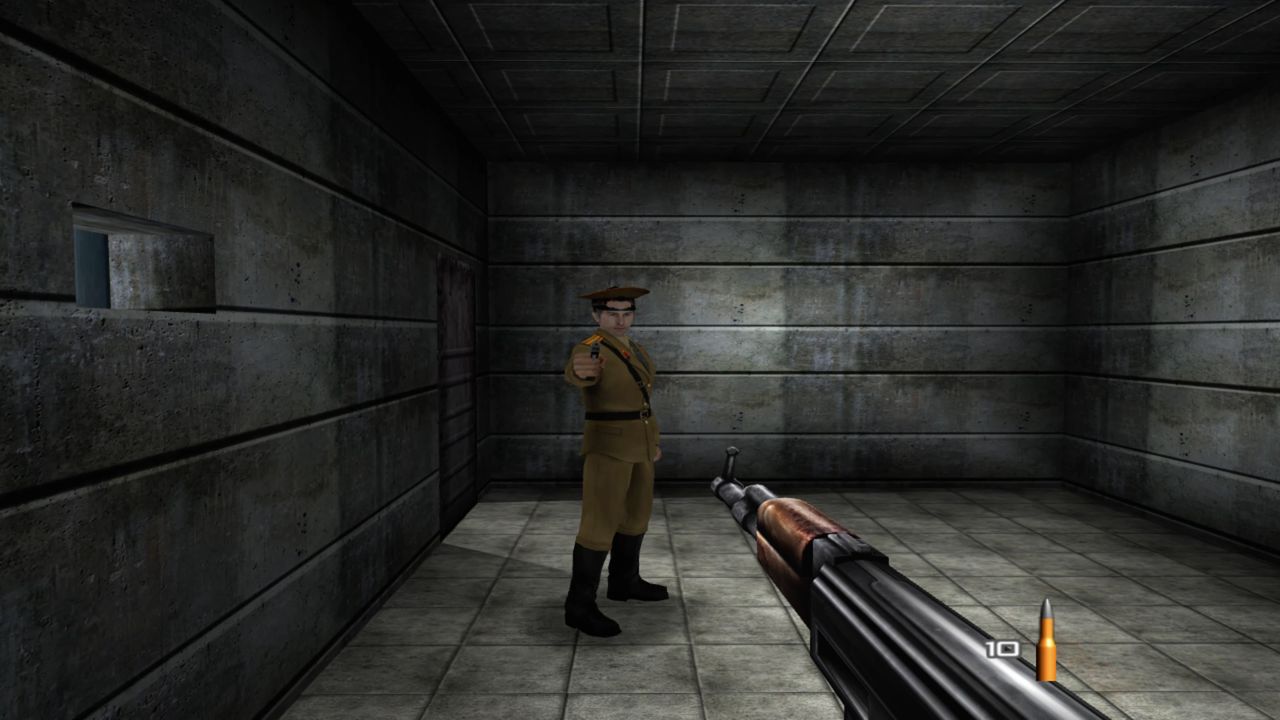
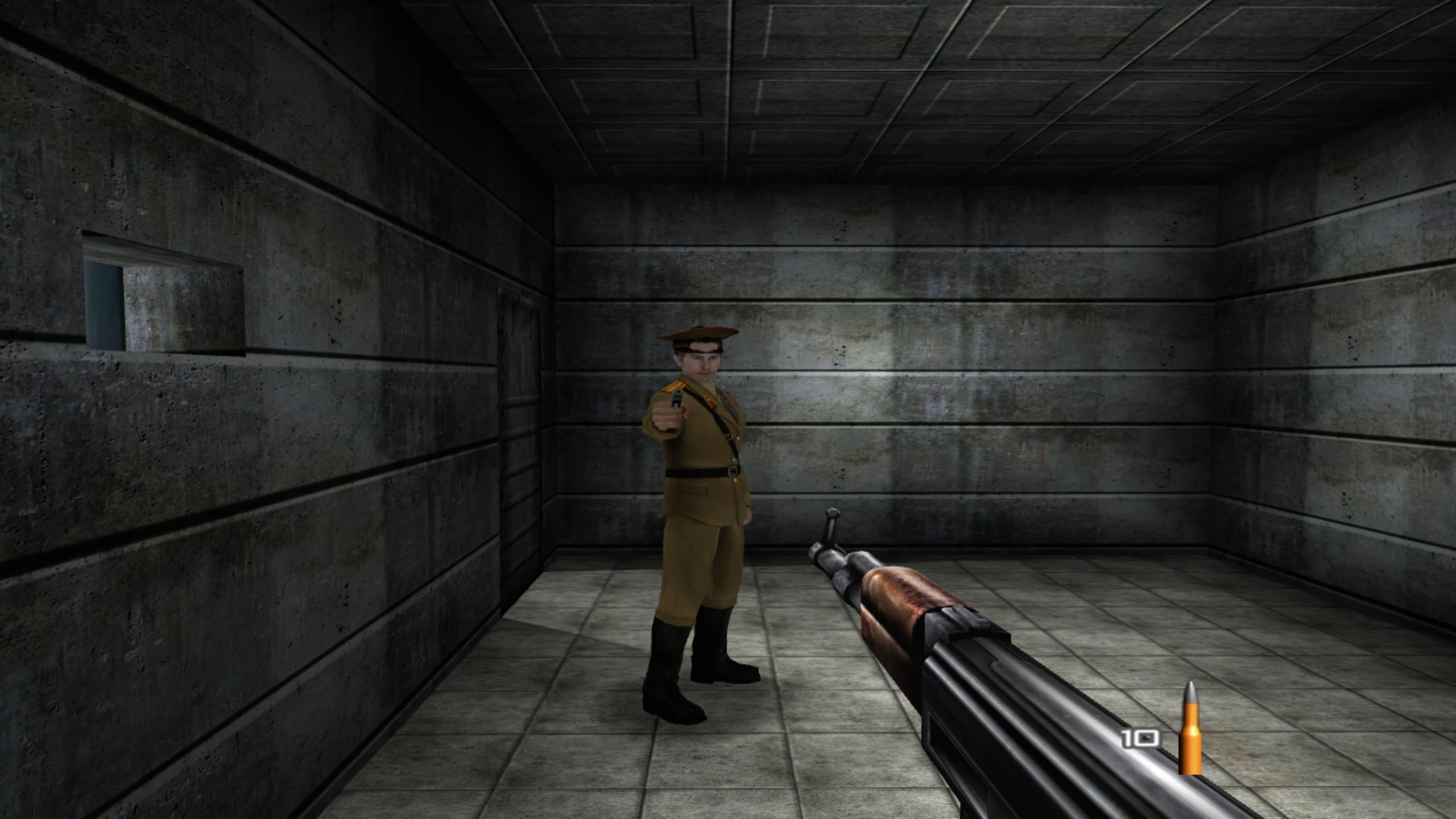
Bluesky user Grasluu00 shared footage of GoldenEye 007 multiplayer running on RMG-K, highlighting a dramatic improvement in playability. They reported that input delay was “greatly reduced” and desyncs became “far more uncommon.” In one test, a player in Spain connected to another in Australia with only 4 frames of delay—down from the previous 9 frames. Meanwhile, NyxTheShield posted a video of Super Smash Bros. (N64) in action, showing smooth, responsive gameplay. While the experience may vary by title, these demonstrations suggest that rollback netcode can make even long-distance N64 matches feel nearly local.
Is the RMG-K fork controversial among the original emulator's developers?
Yes, the RMG-K fork has drawn criticism from Rosalie241, the original creator of the RMG emulator. In a Reddit post, Rosalie241 accused the fork of using AI-generated code (specifically with the tool Claude) without proper acknowledgment, calling it “vibe coding” that undermines years of manual development. The account, which is five years old, expressed disappointment over seeing “vibe coded forks pop up” with donation buttons in the ReadMe. Coders involved with RMG-K, including NyxTheShield and CigNus, have previously mentioned using AI in their work, which has reignited debates about the ethical use of large language models in software development.
Which games benefit most from this new netcode improvement?
Any N64 multiplayer title with fast reaction times stands to gain. GoldenEye 007 and Super Smash Bros. are prime examples, but the entire library is supported—games like Mario Kart 64, Perfect Dark, Super Mario 64 (via multiplayer mods), and Star Fox 64 will see reduced lag. However, the implementation is currently limited to two-player sessions, so four-player party games won't benefit yet. The developers have hinted at expanding to more players in future updates.
What are the current limitations of RMG-K's rollback netcode?
As of the May 14 update, RMG-K's rollback netcode supports only two players in a session. Multiplayer titles designed for four or more participants will still rely on local play or traditional netplay methods. Additionally, the feature is still in its early stages—while tests show impressive results, some gamers may experience occasional hiccups depending on connection quality and game choice. The developers are actively working to refine the system and plan to address these constraints in future releases.
Related Articles
- How to Ethically Integrate AI into Community Contests: Lessons from the Party Animals Controversy
- Tekken Legend Harada Returns as CEO of New SNK Studio in Surprise Move
- Pokémon Cryptic Crossword Dominates 2026 Puzzles, Dethrones Wordle as Daily Obsession
- 10 Things You Need to Know About Robyn Miller's AI Art Defense for Riven
- Far Far West: The Multiplayer Game That Values Your Time Above All
- How to Manage an Ethical Crisis in a Regional Office: A Case Study from Microsoft Israel
- Horror Farming Games Trend Explodes: 'Besmirch' Joins Creepy Crop Simulation Craze
- Intense Gaming Obsessions Revealed: Players Exhibit Compulsive Behaviors in Top Titles