Ancient Dingo Grave Reveals Deep Bond Between Barkindji People and Their Canine Companions
In a remarkable archaeological discovery along the Darling River in New South Wales, Australia, evidence has emerged that the ancestors of today's Barkindji people treated a dingo with the same reverence as a beloved human family member. The grave, carefully constructed from river mussel shells, was maintained for generations, shedding new light on the profound connection between Aboriginal communities and dingoes. This Q&A explores the details and significance of this find.
Who unearthed the ancient dingo burial, and where was it found?
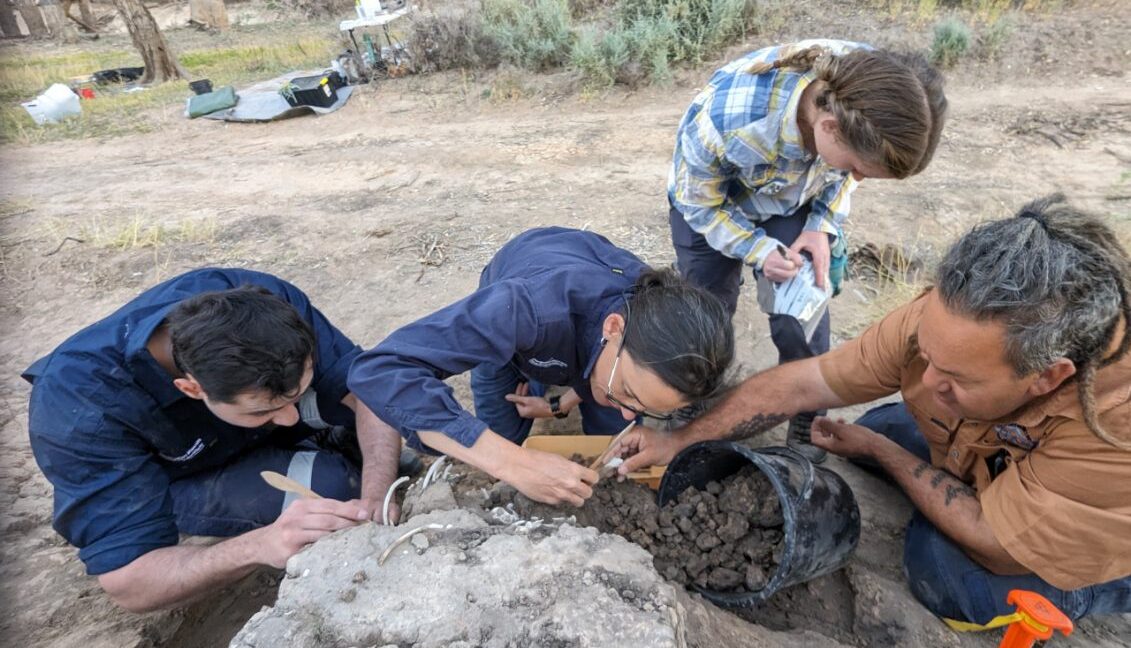
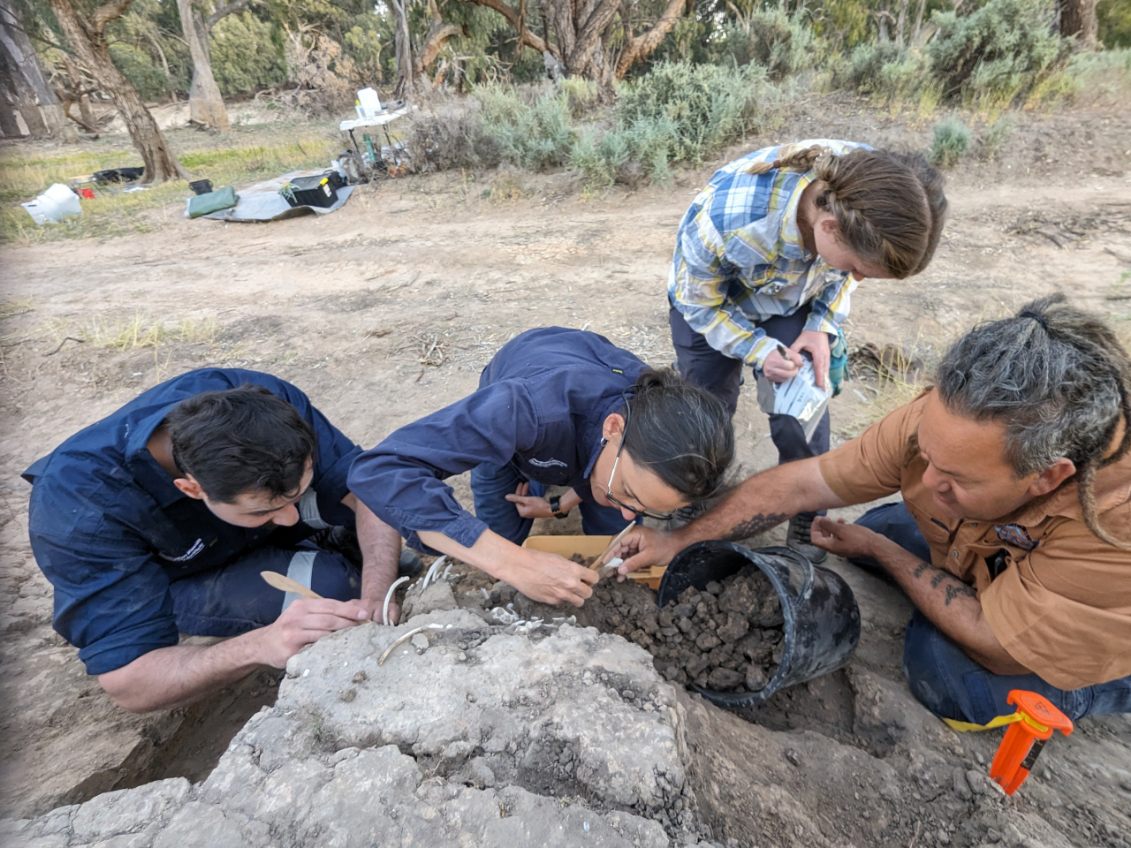
The discovery happened five years ago when Barkindji Elder Uncle Badger Bates and National Parks and Wildlife Service archaeologist Dan Witter noticed bones protruding from a road cut in Kinchega National Park, located along the Baaka (Darling River) in New South Wales. Recognizing the skeleton as a dingo (called garli in the Barkindji language), Bates identified the animal lying on its left side within a shell mound. The site had remained hidden until erosion exposed the remains, prompting a careful study by archaeologists from the Australian Museum and the University of Sydney. This burial is estimated to be about a thousand years old, showcasing a long tradition of care.
How did the Barkindji ancestors bury the dingo?
Instead of a simple pit, the dingo was placed in a carefully constructed mound of river mussel shells. The animal was laid on its left side, and the shells were packed around it in a deliberate arrangement. This method mirrors burial practices used for humans, indicating that the community saw the dingo as more than just an animal. The shell mound itself required effort to build, and the positioning suggests a ritualized process. Archaeologists note that the care taken—both in the initial burial and in maintaining the site—was extraordinary. The grave was not forgotten; it was tended to for decades, perhaps centuries, by successive generations.
What does this burial reveal about the relationship between dingoes and Aboriginal people?
According to Dr. Amy Way, an archaeologist from the Australian Museum and University of Sydney who co-authored the study, the burial demonstrates that dingoes were “deeply valued and loved.” This wasn't a casual disposal of remains but a ceremonial act. Dingoes were likely seen as companions, protectors, and even spiritual kin. The fact that the grave was maintained over time suggests an ongoing bond—people returned to the site to honor the animal, possibly as part of cultural memory. In Barkindji culture, dingoes held a special status, often integrated into daily life and mythology. This find provides physical proof of that emotional and social connection, challenging the view that dingoes were merely wild pests.
How long did the community care for the dingo's grave?
Archaeological evidence indicates that the shell mound grave was looked after for decades, and possibly longer. Shells were added or rearranged, and the mound was kept intact even as the landscape changed. This kind of repeated attention suggests that the site served as a memorial, visited by family or clan members. The exact duration is hard to pinpoint, but the continued maintenance implies a multigenerational commitment. It wasn't a one-time burial; the Barkindji ancestors actively preserved the grave, showing that the dingo's memory remained significant within the community. This long-term care mirrors how human graves were treated, highlighting the dingo's important place in ancient society.
Why is this discovery significant for understanding Barkindji culture?
This find offers a rare glimpse into the ritual and emotional life of the Barkindji people a millennium ago. While artifacts and bones are common, a deliberately maintained animal grave provides insight into beliefs about animals, death, and memory. It shows that dingoes were not just tools or food but were integrated into the social fabric—mourned and remembered. The location along the Darling River, a central part of Barkindji territory, also ties the burial to the broader landscape and its stories. For modern Barkindji, this discovery reconnects them with ancestral practices and reaffirms the deep roots of their culture. Archaeologists emphasize that this kind of find is rare in Australia, making it a key piece of heritage.
What role did dingoes play in ancient Aboriginal societies?
Dingoes served multiple roles: they were hunting partners, guards, and sometimes companions. In many Aboriginal cultures, they were also considered spiritual beings or totems. The garli (dingo) was believed to have its own dreaming stories and could be a protector of the camp. The Barkindji people likely valued dingoes for their help in tracking game and alerting to danger. However, the ceremonial burial suggests a deeper, emotional attachment—similar to how modern people mourn pets. This challenges the idea that ancient relationships with dingoes were purely pragmatic. The grave shows that dingoes were mourned as individuals, and their lives held meaning beyond utility, reflecting a worldview where animals and humans were closely connected.
Related Articles
- Documenting Open Source: The Stories Behind Internet Technologies
- Ploopy Bean: The Open-Source Pointing Stick Mouse That Breaks the Mold
- Android Users Abandon Google’s Ecosystem: Open-Source Apps Surge in Popularity
- Breaking Free from the Fork: Meta's Strategy for Modernizing WebRTC Across 50+ Use Cases
- Rust's Google Summer of Code 2026: 10 Key Highlights from the Selected Projects
- GitHub Copilot Plans Evolve: Flex Allotments and Max Plan Unveiled
- Bringing Arm Virtual Machines to IBM s390 Hardware: A Q&A Overview
- GitHub Halts Copilot Pro Sign-Ups, Tightens Limits Amid Surging AI Compute Demands