Inside the Musk-Altman Legal Battle: What the Documents Reveal About OpenAI’s Transformation
Overview of the Dispute
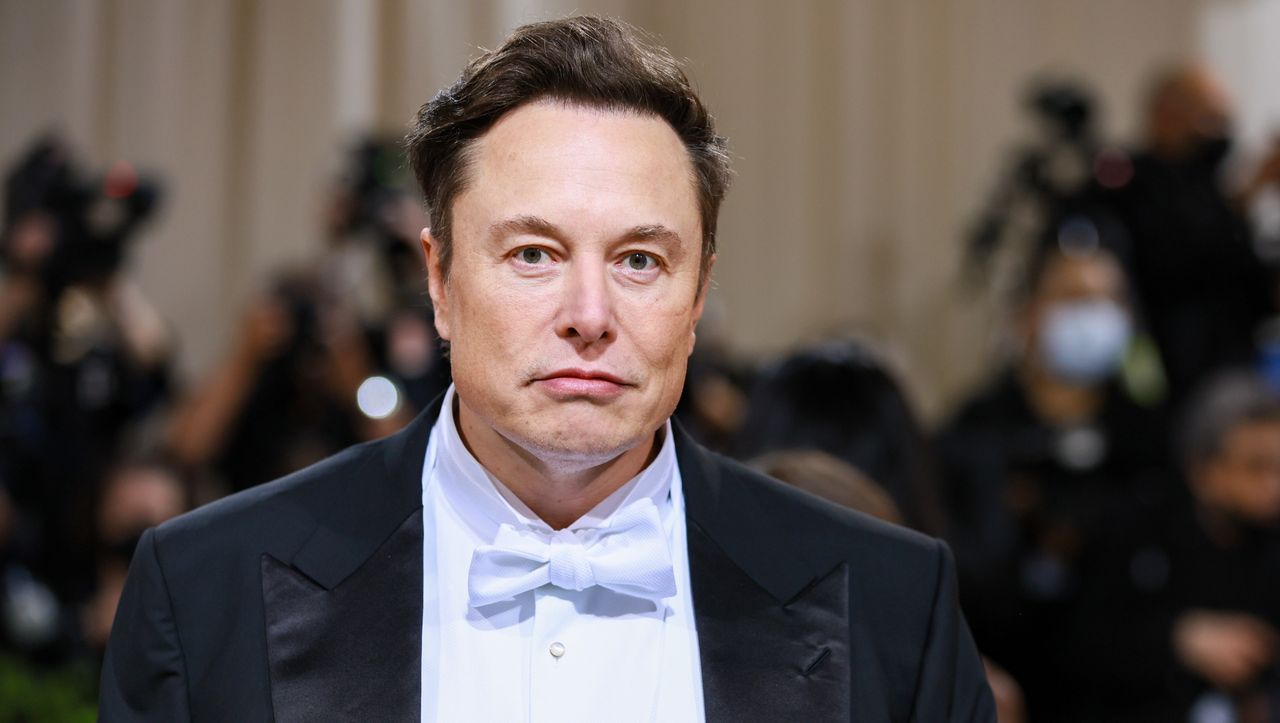
The first round of legal proceedings between Elon Musk and Sam Altman has concluded, with a jury dismissing Musk’s lawsuit primarily due to the statute of limitations. However, Musk has announced plans to appeal, and the judge and jury made no ruling on the actual merits of his allegations. At the heart of the case is Musk's claim that he was misled into supporting OpenAI as a nonprofit organization, only to see it later pivot to a for-profit entity under Altman’s leadership. A trove of documents released during the trial offers a compelling look at the early relationship between the two tech titans.
The Lawsuit’s Dismissal and Musk’s Next Steps
The jury’s decision rested on technical grounds—the statute of limitations had expired on Musk’s claims. This means the court never weighed the truth of his central accusation: that Altman deceived him into backing OpenAI as a charitable venture, then transformed it into a profit-driven company years later. Musk has stated he will appeal, keeping the substantive issues alive for future litigation.
Early Principles and Promises
The released documents paint a vivid picture of Musk’s initial enthusiasm for OpenAI and the nonprofit ideals that originally defined it. Much of his passion stemmed from a genuine—sometimes dramatic—fear about the risks of artificial general intelligence (AGI). He worried particularly about which company or individual might eventually control AGI. While Musk is known for shifting positions, the evidence suggests he was sincerely committed to OpenAI’s mission at the time: to develop AGI for the benefit of humanity, free from financial pressures.
The Critical Email Exchange
Sam Altman consistently reassured Musk that OpenAI would remain focused on safety and public good. On June 24, 2015, Altman emailed Musk outlining the mission: “to create the first general AI and use it for individual empowerment, i.e., the distributed version of the future that seems the safest. More generally, safety should be a first-class requirement.” He described a governance structure where the technology “would be owned by the foundation and used ‘for the good of the world,’ and in cases where it’s not obvious how that should be applied the five of us [on the board] would decide.”
Musk replied the next day with a simple “Agree on all.” By October, they were discussing funding and control. Musk wrote to Altman about governance: “This is critical. I don’t want to fund something that goes in what turns out to be the wrong direction.” Altman assured him he was “very focused on getting this right.”
The Mission Statement
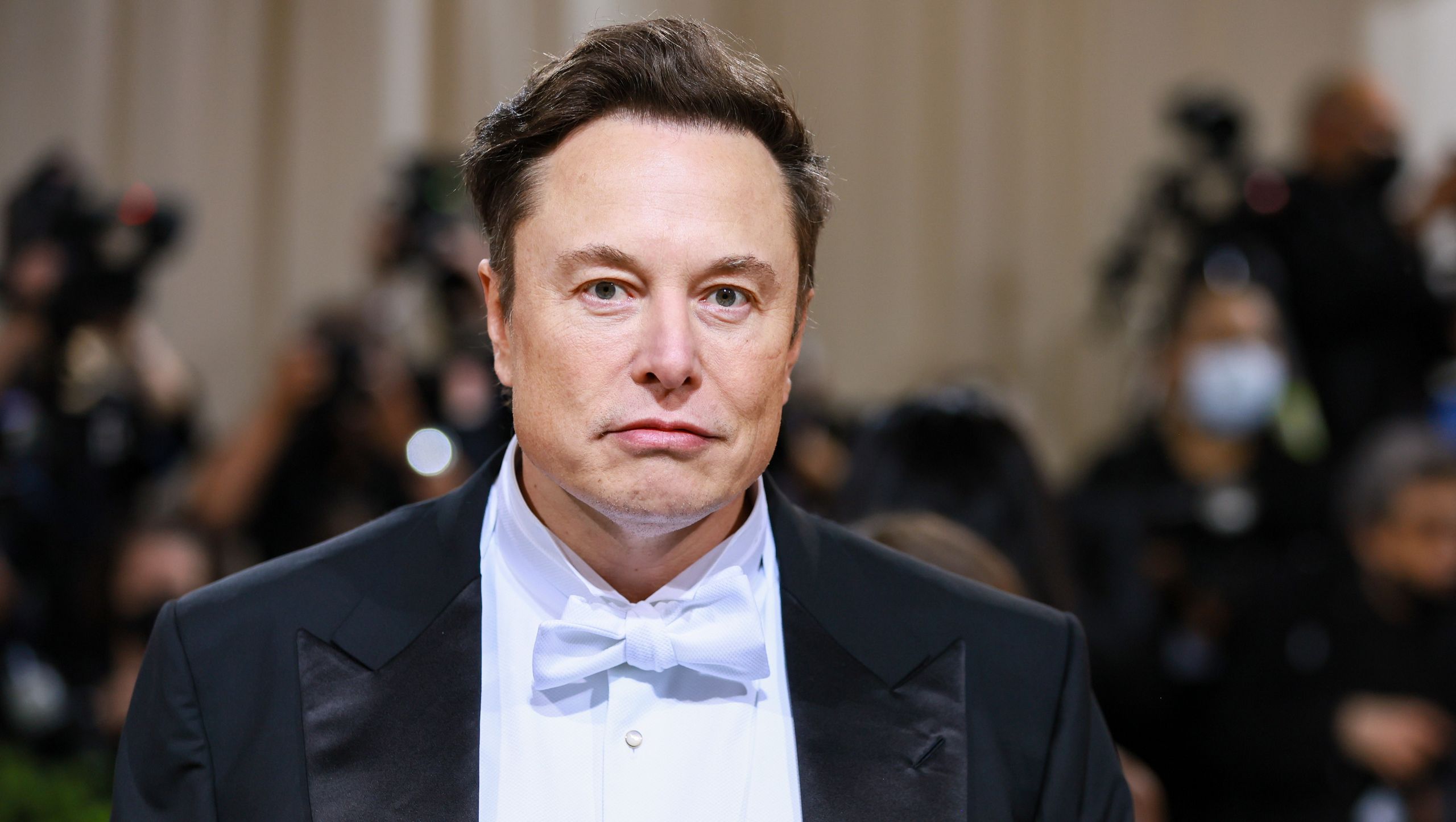
In December 2015, drafts of OpenAI’s mission statement were exchanged. Musk’s version stated the organization had “the goal of advancing digital intelligence in the way that is most likely to benefit humanity as a whole, unencumbered by an obligation to generate financial returns.” Altman added a line: “Because we don’t have any financial obligations, we can focus on the maximal positive human impact and disseminating AI technology as broadly as possible.” These words would later become central to Musk’s argument that Altman broke his promise.
Governance Concerns and the Shift to Profit
Musk’s early emails repeatedly stress the importance of governance that would prevent OpenAI from deviating from its nonprofit mission. He feared that without proper safeguards, the organization could be captured by profit motives. The documents show Altman explicitly agreeing to these principles. Yet years later, OpenAI transitioned to a “capped-profit” model that Musk claims directly contradicts the original agreement. While the court did not rule on this, the documentary record supports Musk’s narrative that he was promised a lasting nonprofit structure.
Conclusion: A Story of Broken Trust?
Regardless of the legal outcome, the released emails reveal a clear pattern: Musk invested time, money, and reputation in OpenAI based on explicit assurances from Altman that the company would remain a nonprofit dedicated to safe, beneficial AGI. The eventual for-profit shift, even if legally permissible, represents a stark departure from those early promises. Whether this constitutes deception or simply evolution will be debated, but the documents leave little doubt that Musk’s concerns were—at minimum—taken seriously by Altman in the beginning. The case may be over for now, but the questions it raises about integrity, mission, and control in the AI race remain very much alive.
Related Articles
- Revolutionary Custom Mainboard Brings PlayStation 2 into Handheld Era
- Why We Play: 4 Essential Gaming Experiences That Answer the Question
- ASUS ROG RAIKIRI II Finally Gets Linux Support: A Major Win for Open-Source Gamers
- Mastering Mood Swings: A Comprehensive Guide to MTG's Surprising Spin-Off
- Your Ultimate Guide to the Hottest Android Game and App Deals Right Now
- Werewolf: The Apocalypse – Rageborn Transforms Tabletop Horror into a Metroidvania Adventure
- PS5 Linux Installation Opens Door to Steam Gaming on Sony's Console
- Mathematical Code Discovered in Plant Cells That Shields Against Sunlight’s Deadly Swings