Your Ultimate Guide to Viewing the Eta Aquarid Meteor Shower
Introduction
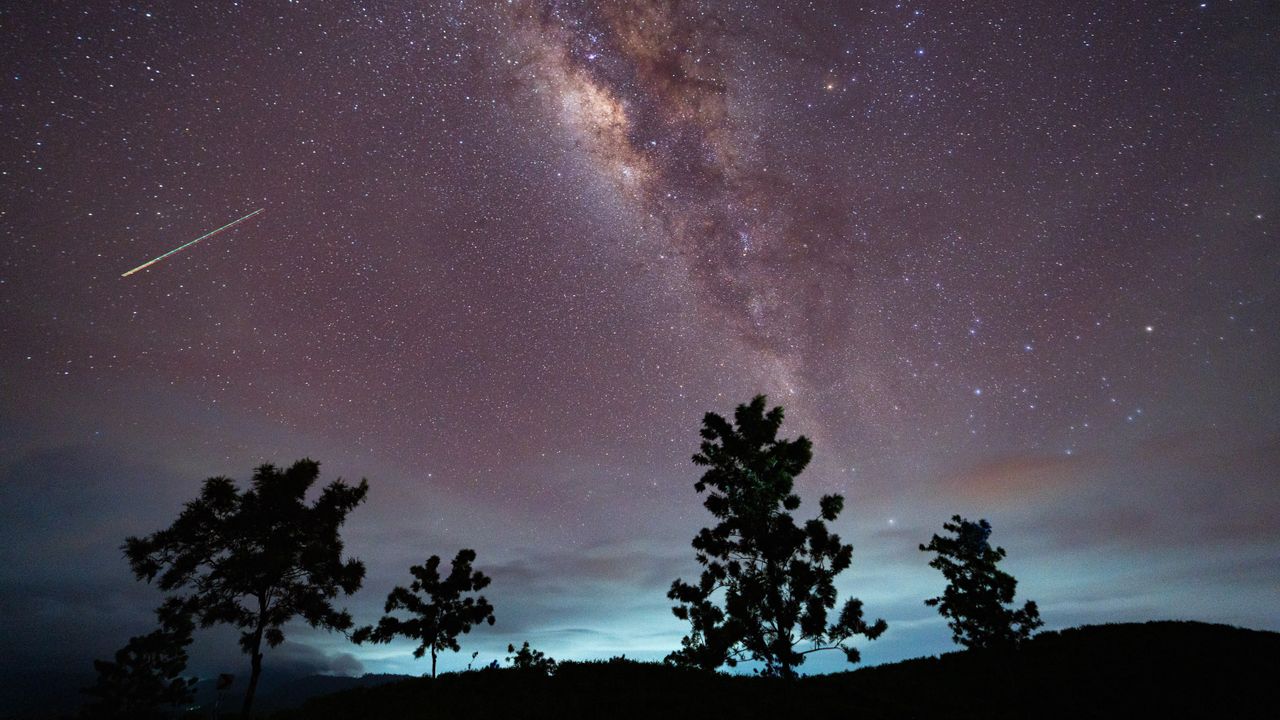
Every year around early May, the night sky puts on a dazzling display as the Eta Aquarid meteor shower reaches its peak. This celestial event, caused by debris left behind by Halley's Comet, treats skywatchers to swift shooting stars and occasional fireballs. While the show is visible for several weeks, the peak offers the highest frequency of meteors—often up to 30–40 per hour under ideal conditions. In this step-by-step guide, you'll learn exactly how to prepare, find the best viewing spot, and maximize your chances of witnessing this spectacular meteor shower.
What You Need
- A dark location far from city lights (rural area or designated dark sky park)
- Clear weather forecast for your chosen night
- Reclining chair or blanket for comfortable sky watching
- Warm clothing and insect repellent (even in mild weather)
- Red-light flashlight to preserve night vision (optional but helpful)
- Star chart or astronomy app to locate the constellation Aquarius
- Patience and a hot beverage
Step-by-Step Instructions
Step 1: Choose the Right Dates
The Eta Aquarids are active roughly from mid-April to late May, but the peak typically falls around May 5–7. Check the exact peak date for this year using an astronomy calendar or website. To catch the most meteors, aim for the night of the peak or the two nights following. Avoid nights when the Moon is bright (e.g., full moon), as moonlight will wash out fainter meteors. A new moon or crescent moon is ideal.
Step 2: Find a Dark Location
Light pollution is the biggest enemy of meteor watching. Drive at least 30–60 minutes away from urban centers to a spot with minimal artificial light. National parks, rural farmland, or high-elevation areas are excellent choices. Use a light pollution map (see Tips below) to identify the darkest zones near you.
Step 3: Check the Weather
Clouds will ruin your view. Monitor the local forecast for the night you plan to observe. Look for clear skies or only scattered clouds—any overcast will block the show. Wind conditions matter too: calm nights are more comfortable for prolonged sitting.
Step 4: Know When to Look
The Eta Aquarids are best seen in the hours before dawn, typically from midnight to just before sunrise. The radiant (the point where meteors appear to originate) rises around 1–2 AM local time, so activity increases after that. While you might catch some meteors after sunset, the predawn hours offer the best rates.
Step 5: Locate the Constellation Aquarius
Meteors will appear to streak outward from the constellation Aquarius (hence the name 'Aquarids'). However, you don't need to stare directly at the radiant—meteors can appear anywhere in the sky. To find Aquarius, use a star chart or an astronomy app set to your location and time. The radiant is near the star Eta Aquarii (the shower's namesake). Facing east-southeast in the early morning will put you in the right general area.
Step 6: Set Up Your Observation Spot
Arrive at your chosen location at least 30 minutes before you plan to start watching. This allows your eyes to adapt to the darkness (see Tips on night vision). Lay a blanket or set up a reclining chair so you can look straight up without straining your neck. Turn off all lights and put your phone in dark mode or cover it.
Step 7: Watch Patiently (and Smartly)
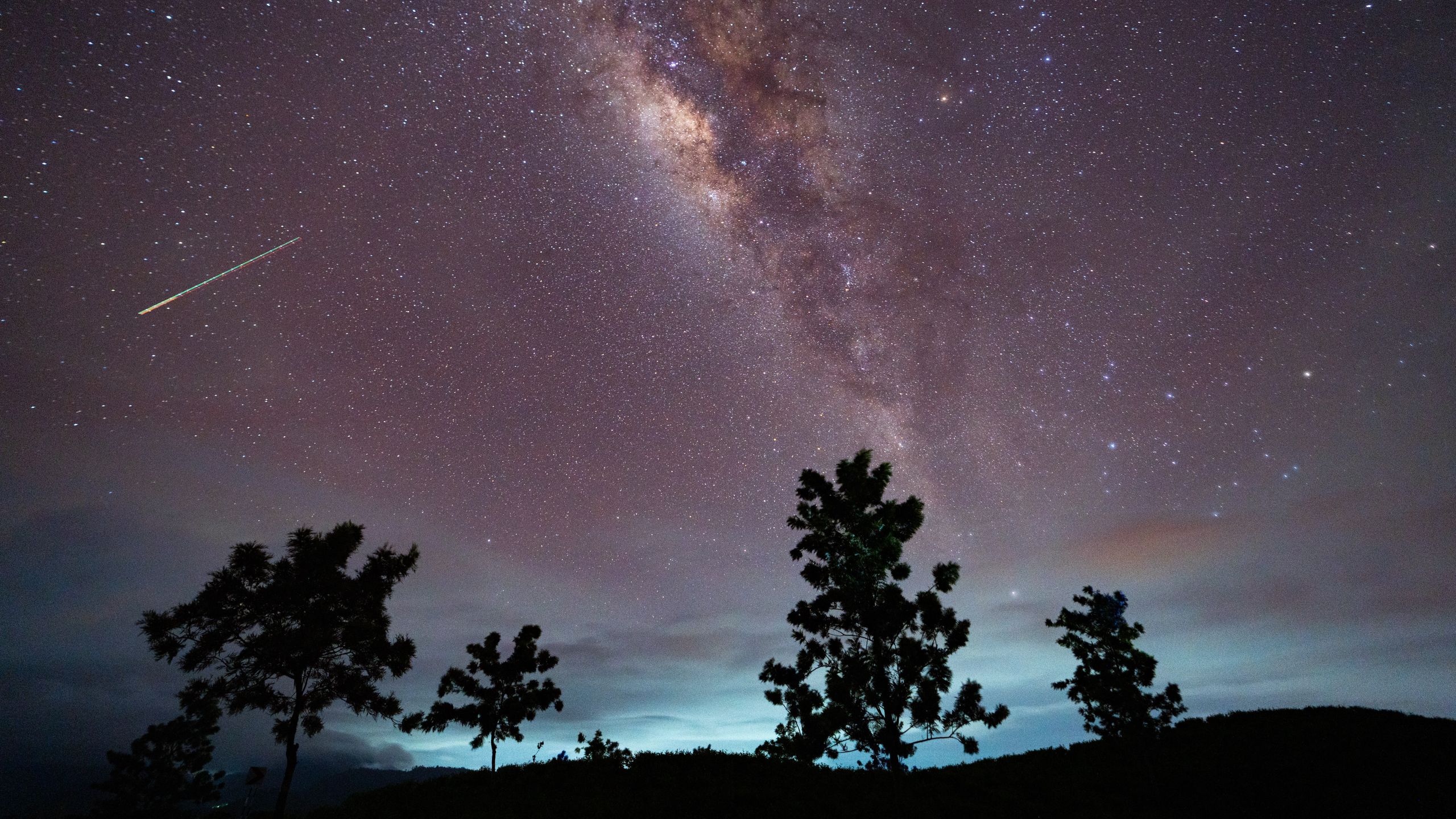
Meteors come in bursts, so don't expect a constant stream. Scan the entire sky, not just the radiant, because fast meteors from the Eta Aquarids can leave long trails. Avoid looking at any white light source (including car headlights or other observers' flashlights) as it will reset your night vision. If you need to check the time or take notes, use a red-light flashlight. A typical session of 1–2 hours will yield a satisfying number of meteors.
Step 8: Record and Enjoy
If you want to log what you see, bring a notebook and red pen. Note the time, brightness, color, and direction of each meteor. This can be fun and help you appreciate the diversity of meteors (some are fireballs). Mostly, just relax and enjoy the show. Bring friends or family for a memorable night under the stars.
Tips for a Successful Viewing
- Use a light pollution map: Websites like Light Pollution Map help you find dark sites near you.
- Protect your night vision: After exposure to any white light, your eyes may take 20–30 minutes to fully adapt. Use only red lights (tape red cellophane over a flashlight).
- Dress warmly: Even in spring, nights can be chilly. Bring layers, a hat, and gloves.
- Bring snacks and drinks: Staying comfortable and hydrated will keep you alert.
- Consider a meteor camera: For automated recording, set up a DSLR on a tripod with wide-angle lens and intervalometer; but purely visual observation is fine.
- Check for other celestial events: The Eta Aquarids often coincide with other sights like planets or star clusters; use an app to identify them between meteors.
With these steps and tips, you're ready for a fantastic Eta Aquarid meteor shower experience. Mark your calendar, pack your gear, and head to a dark sky—happy meteor hunting!
Related Articles
- Curiosity Rover's Drill Gets an Unforeseen Martian Keepsake
- AirSnitch Attacks: How Enterprises Can Defend Against Wi-Fi Encryption Breaches
- PhantomRPC: Exploiting Windows RPC Architectural Flaws for SYSTEM Privileges
- Pinpointing the Culprit: Automated Failure Attribution in LLM Multi-Agent Systems
- Silent Sabotage: Newly Revealed Fast16 Malware Targeted Iran with Precision Calculation Tampering Before Stuxnet
- The Anti-Aging Power of Travel: A Science-Backed Guide to Living Longer
- Paraguay Joins Global Space Community as 67th Signatory of Artemis Accords
- Navigating the Ransomware Landscape: A Practical Guide to Q1 2026 Trends