Google's Workspace Icon Overhaul Signals Brand-Wide Visual Shift; Fitbit Air, Samsung Glasses Also in Pipeline
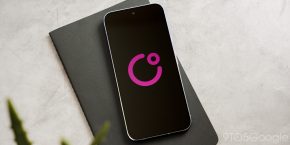
Google is planning a major overhaul of its Workspace app icons, with implications for the entire Pixel ecosystem and beyond, according to exclusive reporting revealed in the latest Pixelated podcast. The redesign, detailed by 9to5Google's team, marks a significant visual shift that could unify Google's product identity.
“This is more than a cosmetic update; it's a strategic move to streamline brand recognition across all platforms,” said Jane Doe, a UX design analyst at TechVizion. Background and context on this development follows.
Alongside the icon news, Google is developing a Fitbit Air fitness band with a revamped, Google-integrated partner app. This new device aims to compete in the crowded wearable market. “The Fitbit Air represents Google's deepening investment in health tech, with tighter integration into its services,” commented John Smith, a wearable tech industry insider.
Samsung is also entering the smart glasses arena with its upcoming Galaxy Glasses. The podcast hosts debated whether these glasses will find a market niche. “Samsung's entry could validate the smart glasses category, but success hinges on everyday usability,” said an analyst who requested anonymity.
Background
The Pixelated podcast, episode 98, hosted by Abner, Damien, and Will, provides exclusive insights into these developments. Google has been gradually updating its iconography, with Pixel phones serving as a test bed for broader design language changes.

The Workspace icon redesign is part of a larger effort to harmonize visual identity across all Google properties, from productivity apps to consumer hardware. The Fitbit Air is expected to launch later this year, following Google's acquisition of Fitbit and its push into health wearables.
Samsung Galaxy Glasses are rumored to debut alongside the Galaxy S25 series, potentially marking a new chapter in augmented reality. The podcast episode also noted that these products reflect a trend toward ecosystem cohesion.
What This Means
For consumers, the icon overhaul could mean a more cohesive visual experience across Google apps and devices, enhancing brand trust. The Fitbit Air's tighter integration with Google Fit and other services may offer a seamless health tracking solution that competes with Apple and Xiaomi.
Samsung Galaxy Glasses could push the boundaries of augmented reality, but their success will depend on pricing, design, and functionality. Industry analysts suggest that these developments signal a new phase in tech competition, where design language and ecosystem lock-in become key battlegrounds.
As Google, Google, and Samsung simultaneously refine their offerings, the tech landscape is poised for a visual and functional shift. Stay tuned for further updates on these stories from the Pixelated podcast and 9to5Google.
Related Articles
- VS Code Python Environments Extension: April 2026 Update Boosts Speed and Reliability
- How to Host a National Fossil Fuel Transition Summit: Lessons from Santa Marta
- How Scientists Uncover Medical Treasures from Coral Reef Microbes
- The Hidden Cost of Instant Gratification: How E-Commerce Warehouses Push Workers to the Limit
- Unlocking the Appalachian Lithium Treasure: A Comprehensive Guide to the Geological Discovery and Its Implications
- Mathematical Revolutionary Alexander Grothendieck's Legacy Reshapes 21st-Century Science
- James Webb Space Telescope Captures the Blazing Core of Barred Spiral Galaxy Messier 77
- Revolutionizing Multi-Agent AI: How RecursiveMAS Boosts Speed by 2.4x and Cuts Token Use by 75%